Best Baby Toys And Clothes Guide
Toys For All Ages >> Toys>> Best Baby Toys And Clothes Guide
Best Baby Toys And Clothes Guide
Choosing the right baby toys and clothes can feel a little tricky when you’re just starting out. There are so many cute things to see, and you want what’s best for your little one. But don’t worry, it’s not as hard as it looks!
We’ll break it down simply so you can feel confident about your choices. Let’s get started and make shopping for your baby easy and fun.
Key Takeaways
- Discover the basics of selecting safe and engaging baby toys.
- Learn how to choose comfortable and practical clothing for your baby.
- Understand the importance of materials in baby products.
- Find tips for smart shopping and saving money on baby items.
- Identify key features to look for in durable baby toys and clothes.
Choosing Safe Baby Toys
Toys are super important for babies. They help babies learn about the world around them. Toys help babies with their senses, like seeing, touching, and hearing.
They also help babies develop their bodies and minds. Picking the right toys means picking ones that are safe and good for your baby’s age. Safety is the number one thing to think about.
You want toys that won’t break into small pieces that a baby could swallow. Also, look for toys that are made from non-toxic materials.
Age-Appropriate Toys
Babies grow and learn very fast. What’s fun for a newborn isn’t always good for a six-month-old. Toys should match what a baby can do and what they are learning at each stage.
For young babies, soft toys and rattles are great. Older babies might like toys they can stack or push.
- Newborns (0-3 months)
At this age, babies are just starting to explore. They can focus their eyes and follow moving objects. They can also hear sounds.
Toys should be simple and focus on sight and sound. Soft rattles, crinkle toys, and high-contrast black and white cards are good. These toys help with their visual development and hearing.
They also offer gentle sensory experiences without being overwhelming. The materials should be soft and easy to clean. Avoid small parts or strings that could be a hazard.
- Infants (4-6 months)
Babies in this stage are more active. They can hold things with their hands and bring them to their mouths. They are also starting to roll over and sit up.
Toys that they can grasp and explore with their mouths are perfect. Teethers, soft blocks, and activity gyms are good choices. These toys encourage hand-eye coordination and sensory exploration.
Babies love to chew on things at this age, so make sure everything is safe for them to mouth. Toys that make gentle sounds or have different textures are engaging.
- Older Infants (7-12 months)
By this age, babies are often crawling or pulling themselves up. They are curious and want to interact more with their environment. Toys that encourage movement and problem-solving are ideal.
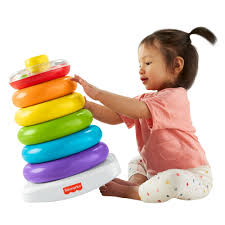
Soft balls, stacking rings, and simple shape sorters are excellent. These toys help with motor skills and cognitive development. They can also be used for interactive play with parents.
Toys that have buttons to press or doors to open can be very exciting. They start to understand cause and effect through play.
Toy Materials and Safety Standards
The stuff toys are made from really matters. You want materials that are safe for babies to chew on and touch. Natural materials like wood and organic cotton are great.
They are often free from harmful chemicals. Always check if toys meet safety standards. In many countries, there are specific rules for toy safety.
Look for labels that show the toy is safe for babies. These labels mean the toy has been tested. They ensure it doesn’t have small parts that can break off.
It also means it’s free from toxic paints or plastics.
- Natural Materials
Wood toys are a classic choice. They are durable and safe if made from untreated, non-toxic wood. Organic cotton toys are soft and gentle for sensitive skin.
They are also biodegradable, which is good for the planet. These materials offer natural textures and smells that babies enjoy. They are less likely to cause allergies or skin irritations.
When choosing wooden toys, make sure they have a smooth finish without splinters. For fabric toys, check that seams are strong and secure.
- Plastic Toys
Not all plastics are bad. Look for toys made from BPA-free plastic. This is a common chemical found in some plastics that can be harmful.
Many baby toys are now made from safe plastics. These plastics are durable and easy to clean. They are often brightly colored, which attracts a baby’s attention.
However, always check for small parts that could break off. Some older plastic toys might contain phthalates, which are also best to avoid. Stick to reputable brands that clearly state their safety materials.
- Safety Certifications
In the United States, the Consumer Product Safety Commission (CPSC) sets safety standards. In Europe, toys must meet CE marking requirements. These certifications mean the toys have been tested for safety.
They check for things like small parts, sharp edges, and harmful chemicals. When buying toys, especially from online marketplaces, verify these certifications. A trusted retailer will provide this information.
If you’re unsure, it’s better to buy from a known brand.
The Importance of Sensory Play
Babies learn through their senses. Toys that engage sight, sound, touch, and even smell offer rich experiences. Sensory play is vital for brain development.
It helps babies make connections and understand how things work. Bright colors, different textures, and gentle sounds all contribute to this. Toys that crinkle, squeak softly, or have varied surfaces are excellent.
They provide stimulation without being overstimulating. This kind of play also helps babies develop fine motor skills as they reach, grasp, and explore.
- Visual Stimulation
Newborns see best with high contrast. Black and white patterns are very effective for them. As they grow, they can see more colors.
Brightly colored toys capture their attention. Mobiles with contrasting shapes and colors are great for cribs. Mirrors designed for babies are also wonderful.
They allow babies to see their own reflection, which is fascinating. Toys with flashing lights can be engaging too, but ensure they are not too intense.
- Auditory Stimulation
Gentle sounds help babies develop their hearing. Rattles, shakers, and musical toys can provide this. Soft music or nature sounds are also calming.
Avoid toys that make very loud or sudden noises, as these can startle or upset a baby. The sound should be pleasing and not jarring. Some toys have different sound settings, allowing you to control the volume.
This is a useful feature for managing sensory input.
- Tactile Exploration
Babies love to touch and feel different textures. Soft plush toys, bumpy teethers, and fabric books offer variety. Toys with different surfaces like smooth wood, soft fur, or crinkly material are excellent.
These textures help babies learn about the world through touch. They also help develop their fine motor skills as they learn to grip and manipulate objects. Ensure all textures are safe for babies to mouth.
Selecting Practical Baby Clothes
Baby clothes need to be comfy and easy to use. Babies grow fast, so you don’t need a huge wardrobe. Focus on quality and what’s practical for everyday life.
You’ll be changing diapers and dressing them many times a day. Clothes that are easy to get on and off are a lifesaver. Think about the season and the weather where you live.
Layers are usually the best way to keep a baby comfortable. Good quality clothes can last through a lot of wear and washing.
Comfortable Fabrics
The material of baby clothes is key for comfort and skin health. Babies have very sensitive skin. They can easily get rashes or irritations from rough or synthetic fabrics.
Soft, breathable materials are best. These materials help keep babies cool in warm weather and warm in cool weather without making them overheat. Natural fibers are usually the top choice for baby clothing.
They are gentle and allow the skin to breathe.
- Cotton
Cotton is a favorite for baby clothes for many good reasons. It is soft, breathable, and hypoallergenic. Organic cotton is even better, as it’s grown without harmful pesticides.
Cotton is also durable and easy to wash, which is a big plus for parents. It absorbs moisture well, keeping babies dry. You can find cotton in many forms like jersey, flannel, and terry cloth, each offering a slightly different feel.
For everyday wear, cotton bodysuits and pajamas are ideal. They are gentle on a baby’s delicate skin.
- Bamboo Fabric
Bamboo fabric is another excellent choice for baby clothes. It is incredibly soft, often described as feeling like silk or cashmere. Bamboo is also naturally breathable and moisture-wicking, helping to regulate body temperature.
It has anti-bacterial properties, which can be beneficial for baby’s skin. Bamboo is also considered an eco-friendly material. It grows quickly and requires fewer resources.
Clothing made from bamboo feels very luxurious and is gentle against the skin.
- Avoid Synthetics
While some synthetic blends can be okay, it’s best to limit them for newborns and babies with sensitive skin. Fabrics like polyester or nylon can trap heat and moisture. This can lead to overheating or skin irritation.
They may also contain chemicals that could bother a baby’s delicate system. If you choose blended fabrics, ensure they are soft and breathable. Always wash new clothes before dressing your baby in them.
Easy Dressing Features
Getting dressed should be simple, not a struggle. Babies can be wiggly and fussy during changes. Features that make dressing and diaper changes quick are a parent’s best friend.
Think about how easily you can get clothes on and off your baby. Zippers and snaps can be a lifesaver, especially in the middle of the night. Styles that minimize the amount of times you need to pull something over their head are also good.
- Snaps and Zippers
Bodysuits with snaps at the crotch are essential. They make diaper changes much faster and easier. You can quickly unsnap and change a diaper without undressing the whole baby.
Zippers can also be very convenient, especially for pajamas. Look for zippers that have a fabric guard at the top to prevent pinching your baby’s skin. Some outfits have full-length zippers that make them easy to put on and take off.
- Envelope Necklines
Shirts and bodysuits with an envelope neckline are designed for easy dressing. This means the neckline has extra fabric that stretches. You can gently pull it down over the baby’s shoulders instead of having to pull it over their head.
This is much easier and less likely to bother a baby who dislikes things over their face. It’s a simple design that makes a big difference for parents.
- One-Piece Outfits
Jumpsuits and footie pajamas are fantastic for babies. They are a complete outfit in one piece. This means no worrying about shirts riding up or bottoms falling down.
They keep babies covered and warm. Many have zippers or snaps for easy changes, making them both practical and cute. These are especially useful for sleeping to ensure the baby stays cozy all night.
Practicality for Different Seasons
You’ll need different clothes for different weather. Dressing your baby appropriately keeps them safe and comfortable. Too hot can be dangerous, and too cold can make them sick.
Layers are a great way to adjust their clothing. You can add or remove a layer as needed.
- Summer Essentials
For warmer months, light and breathable fabrics are key. Cotton or bamboo short-sleeved bodysuits and rompers are perfect. Sun hats with wide brims protect their delicate skin from the sun.
Lightweight footie pajamas or sleep sacks can be used for cooler evenings. Avoid dressing your baby in too many layers when it’s hot. Ensure they have access to fluids and shade.
Lightweight cotton dresses or shorts sets are also good options for girls and boys.
- Winter Needs
In colder weather, you’ll need warmer clothing. Long-sleeved bodysuits, footed pajamas made of warmer materials like flannel or thicker cotton are good. Layering is important.
A fleece or down-filled snowsuit is necessary for outdoor play in very cold climates. Always ensure the baby’s head, hands, and feet are covered. Mittens and warm hats are essential.
Check your baby’s temperature by feeling their chest; hands and feet can often feel cooler.
- Transitional Seasons
Spring and autumn can be unpredictable. Having a mix of long and short sleeves is useful. A light jacket or cardigan is perfect for layering.
Weather can change quickly, so be prepared to add or remove clothing. Sleep sacks are also great for this time of year, providing warmth without being too heavy.
Smart Shopping for Baby Items
Babies need a lot of things, and it can add up fast. Smart shopping means getting good value and not overspending. There are many ways to save money while still getting quality baby toys and clothes.
Thinking ahead and planning your purchases can help a lot. Also, knowing when and where to buy can make a big difference for your budget. Many parents find that a combination of new and pre-owned items works well.
Creating a Baby Registry
A baby registry is a list of items you need or want. You can share this with friends and family who want to buy you gifts. It’s a great way to get essential items without buying them all yourself.
Most stores offer registry services online and in person. You can often get a discount on items remaining on your registry before your baby arrives. It also helps avoid receiving duplicate items.
Guests can see what’s still needed.
- Essential Categories
When making a registry, focus on essentials first. Think about feeding supplies, diapers, and clothing. Include a few key toys that are age-appropriate.
Don’t forget items for bathing and sleep. It’s helpful to list items across different price points, so guests have options. Also, consider including larger items like strollers or car seats if that’s something you want gifted.
- Timing and Discounts
Most registries offer a completion discount for items left on the list. This usually kicks in a few weeks before your due date. It’s a great way to get a percentage off items you still need to buy.
Register early enough to give guests time to shop. Also, check if the store offers any welcome gifts for registering.
Buying New vs. Pre-Owned
There’s no single right answer for whether to buy new or used. Many baby items are used for a short time. This means they are often still in excellent condition when sold secondhand.
For clothing, gently used items can be a great way to save money. Toys can also be bought pre-owned, but always check for safety and cleanliness. Major items like car seats often need to be bought new for safety reasons.
- Clothing Value
Babies outgrow clothes very quickly. Buying a lot of new clothes can be expensive. Many parents sell gently used baby clothes at consignment shops or online.
You can find adorable outfits at a fraction of the original price. Always inspect the clothes for stains, holes, or worn elastic before buying. Wash all pre-owned clothing thoroughly before use.
- Toy Considerations
For toys, check that all parts are present. Ensure there are no broken pieces or sharp edges. Washable toys like plastic blocks or fabric toys are good candidates for buying used.
Avoid used stuffed animals unless they are thoroughly sanitized. Check for recalled toys. Websites like the CPSC have lists of recalled products.
If a toy is missing parts, it might not be safe for a baby.
- Safety First for Big Items
For items like car seats, cribs, and strollers, it’s often recommended to buy new. This is because there are strict safety standards. Used car seats, for example, might have been in an accident you don’t know about.
Older cribs might not meet current safety regulations. Always research the latest safety guidelines for any large baby item.
Sales and Discount Strategies
Keep an eye out for sales. Many stores have seasonal sales or holiday promotions. Signing up for email lists from your favorite baby stores can alert you to upcoming deals.
Store loyalty programs can also offer discounts. Consider buying slightly larger sizes for clothing if you find a great sale. Babies grow fast, so you’ll likely use them eventually.
Online coupon codes are also a common way to save.
Caring for Baby Toys and Clothes
Keeping baby toys and clothes clean is important for health. Babies put everything in their mouths, so hygiene is key. Different items need different cleaning methods to keep them safe and in good condition.
Washing Baby Clothes
Always read the care labels on baby clothes. Most cotton items can be machine washed. Use a mild detergent that is free of dyes and perfumes.
This is important for babies with sensitive skin. Washing new clothes before the first use is a good practice. It removes any residues from manufacturing or shipping.
You can wash baby clothes separately or with other light-colored items. For very young babies, some parents prefer to wash their clothes separately.
- Detergent Choices
Hypoallergenic and fragrance-free detergents are best for baby clothes. These are less likely to cause skin irritation or allergic reactions. Look for detergents specifically marketed for babies or sensitive skin.
Avoid fabric softeners, as they can leave a residue and reduce fabric breathability. Some people prefer to use vinegar in the rinse cycle to soften clothes and remove odors.
- Stain Removal
Babies are prone to many kinds of stains. Spit-up, food, and diaper leaks can all happen. Treat stains as quickly as possible for the best results.
Many common baby stains can be removed with a pre-treatment solution or by soaking. Oxygen-based bleaches are usually safe for colors and effective for removing stains. Always test a stain remover on an inconspicuous area first.
Cleaning Baby Toys
Toys need regular cleaning to prevent the spread of germs. The method of cleaning depends on the type of toy. Always check the toy’s manufacturer instructions if available.
Some toys can be put in the dishwasher or washing machine, while others need hand washing.
- Soft Toys
Many soft toys can be washed in a washing machine. Place them in a mesh laundry bag to protect them. Use a gentle cycle with mild detergent.
Air dry them or tumble dry on a low setting if the label allows. For small plush toys or those with delicate parts, hand washing might be better.
- Plastic and Rubber Toys
Most plastic and rubber toys can be washed by hand with warm, soapy water. You can use a soft cloth or sponge. For toys with small parts or crevices, a soft brush can help.
Some plastic toys are dishwasher safe. Place them on the top rack to avoid heat damage. Ensure they are completely dry before giving them back to the baby.
- Wooden Toys
Wooden toys should generally not be submerged in water. Wipe them down with a damp cloth. If they need more cleaning, use a mild soap solution and then wipe with a clean, damp cloth.
Make sure they dry completely. Avoid harsh chemicals, as they can damage the wood or leave a residue.
Common Myths Debunked
Myth 1: You need to buy a huge wardrobe for a newborn.
Reality: Babies grow incredibly fast. They often outgrow clothes within weeks. It’s better to start with a smaller, essential wardrobe and buy more as needed.
Over-buying means a lot of perfectly good clothes might go unused. Focus on a few key items that are easy to wash and wear.
Myth 2: Expensive baby toys are always better.
Reality: While some high-end toys are well-made, many simple, inexpensive toys are just as beneficial for development. Babies are often just as entertained by basic rattles, soft balls, or even everyday household items (when made safe). Focus on age-appropriateness, safety, and sensory engagement rather than price.
Myth 3: All baby clothes should be washed separately.
Reality: For older babies, washing their clothes with other light-colored, similarly textured laundry using a mild detergent is usually fine. The key is using a gentle detergent and avoiding harsh chemicals. For newborns, some parents prefer separate washes initially, but it’s not always necessary after the first few washes.
Myth 4: Once a toy is dirty, it’s impossible to clean safely.
Reality: Most baby toys can be cleaned effectively. The key is to know the material of the toy and use appropriate cleaning methods. Whether it’s a washing machine, dishwasher, or simple soap and water, regular cleaning keeps toys safe and hygienic for babies to play with.
Always check manufacturer instructions.
Frequently Asked Questions
Question: How many onesies does a newborn really need?
Answer: For a newborn, having about 5-7 onesies is a good starting point. Babies go through several changes a day due to spit-up and diaper leaks, so having a few extras is helpful. You can always buy more if you find you need them.
Question: Are wooden toys more durable than plastic toys?
Answer: Generally, yes, high-quality wooden toys can be very durable and last for many years. Plastic toys can also be durable, but they might become brittle over time or break into sharp pieces. The durability also depends on the quality of the material and how it’s made.
Question: When should I stop buying newborn-sized clothes?
Answer: Newborn sizes are typically for babies weighing up to 8-10 pounds. Many babies outgrow them within the first month. If your baby is larger at birth or grows quickly, you might skip newborn sizes altogether or only buy a few.
It’s best to have a mix of newborn and 0-3 month sizes.
Question: Can I use regular laundry detergent for my baby’s clothes?
Answer: It’s best to use a mild, fragrance-free, and dye-free detergent for baby clothes. Regular detergents can contain harsh chemicals or perfumes that may irritate a baby’s sensitive skin. Look for detergents specifically made for babies or sensitive skin.
Question: How often should I wash baby toys?
Answer: For toys that babies frequently mouth, aim to wash them at least weekly. For other toys, a good cleaning every two weeks or so is usually sufficient, unless they become visibly dirty. Regularly wiping down surfaces can also help.
Summary
Finding the best baby toys and clothes is about safety, comfort, and practicality. Focus on gentle materials and easy-to-use designs. Smart shopping can save you money without sacrificing quality.
Keeping items clean ensures your baby stays healthy. You’ve got this covered for your little one.
Related Post
Toyota Baby Land Cruiser 2026 Models Revealed
Many people think the toyota baby land cruiser 2026 is a tricky topic to start…