Best Baby Toys for 12 to 24 Months Old
Toys For All Ages >> Toys>> Best Baby Toys for 12 to 24 Months Old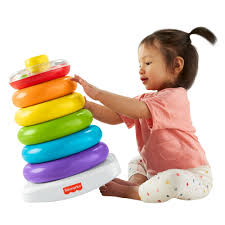
Best Baby Toys for 12 to 24 Months Old
Finding the right playthings for your little one can feel like a puzzle. Especially when they are between 12 and 24 months old, their minds and bodies are growing so fast. It’s easy to get overwhelmed by all the choices.
You want toys that are fun, safe, and help them learn. Don’t worry, this guide makes choosing baby toys 12-24 months simple. We’ll walk you through what’s great for this age, step by step.
Get ready to discover wonderful toys that your toddler will love.
Key Takeaways
- Understand what developmental milestones babies reach between 12 and 24 months.
- Identify toy categories that support a baby’s learning and growing skills.
- Learn how to select safe and age-appropriate toys for this stage.
- Discover specific toy ideas that encourage creativity and problem-solving.
- Find tips on how to get the most play value out of baby toys.
Choosing Baby Toys for 12 to 24 Months
This age range, from one to two years old, is a time of incredible growth and discovery for babies. They are moving from simple exploration to more complex interactions with their environment. Their motor skills are developing rapidly.
They are learning to walk, climb, and manipulate objects with more precision. Language skills are also blossoming, with many babies starting to say their first words and understand simple commands. Cognitive abilities are expanding, and they begin to understand cause and effect.
Selecting baby toys 12-24 months requires a focus on these developing skills. Toys should be engaging enough to hold their attention but also safe for curious hands and mouths. They should encourage exploration, creativity, and problem-solving.
The goal is to provide opportunities for both independent play and interaction with caregivers. This stage is crucial for building a foundation for future learning and development. It’s about fostering a love for play and exploration.
Gross Motor Skill Development
Gross motor skills involve the large muscles used for movement. During the 12-24 month period, babies often take their first steps and begin walking with more confidence. They might also start to crawl faster, climb on low surfaces, and even attempt to jump.
Toys that encourage these movements are vital for their physical development. They help build strength, coordination, and balance. Providing safe opportunities to practice these skills is essential.
Outdoor play and active indoor games are incredibly beneficial. Think about toys that encourage them to move their whole bodies. This could be anything from pushing toys to ride-on vehicles.
The key is that the toy promotes physical activity and helps them explore their capabilities. Safe spaces to roam and experiment with movement are also important. Caregiver supervision is key to ensure safety during these active play sessions.
Push and Pull Toys
Push and pull toys are fantastic for babies who are learning to walk or already toddling. These toys give them support as they move, helping to improve their balance and coordination. As they push a toy in front of them or pull one behind, they learn about momentum and how their actions affect movement.
This also builds confidence in their walking abilities. Many of these toys also have interactive elements, like wheels that spin or beads that rattle, adding an auditory and visual stimulation.
For example, a simple wooden wagon that a child can push or pull is a great choice. It can hold other toys, encouraging them to transport items and further developing their physical coordination. Some pull toys have strings attached, teaching them a new way to interact.
The act of pulling often involves a different gait and strengthens different muscle groups. These toys are designed to be sturdy and stable, preventing tipping and ensuring safety.
Ride-On Toys
Ride-on toys are another excellent way to promote gross motor development. At the earlier end of this age range, these might be simple foot-powered ride-ons where the baby pushes themselves along with their feet. As they get closer to 24 months, they can handle more complex ride-ons.
These toys help develop leg strength, balance, and spatial awareness. They provide a sense of independence and control as the child navigates their surroundings.
A low-to-the-ground ride-on car or a simple animal-shaped ride-on is perfect. The key is that the child can easily get on and off by themselves. These toys encourage them to push with their feet, which is a natural progression from crawling.
They also learn to steer, which helps with hand-eye coordination and understanding cause and effect. Make sure the ride-on toy is stable and has no sharp edges. Safety is paramount when selecting these active play items.
Balls for Rolling and Kicking
Balls are classic toys that offer endless play possibilities for this age group. Rolling a ball back and forth with a caregiver helps develop hand-eye coordination and social interaction. As they become more mobile, they will enjoy kicking or throwing balls.
This simple action helps improve their gross motor skills, leg strength, and coordination. Soft, lightweight balls are best to avoid injury. They are also easier for little hands to grip and throw.
A soft fabric ball or a large, lightweight plastic ball works well. These are safe for indoor play and less likely to cause damage. The act of chasing a rolling ball also encourages crawling and walking.
For older toddlers, introducing different sizes and textures of balls can add a new dimension to play. This simple toy can facilitate hours of active fun. It also teaches basic concepts like direction and force.
Fine Motor Skill Development
Fine motor skills involve the small muscles in the hands and fingers. These skills are crucial for tasks like grasping, pinching, and manipulating small objects. Between 12 and 24 months, babies are refining these abilities, learning to stack blocks, turn pages in a book, and use utensils.
Toys that encourage these precise movements help build dexterity and hand-eye coordination. They also prepare children for more complex tasks later in life, like writing.
Think about toys that require them to use their fingers and thumbs in different ways. This could be anything from simple stacking toys to shape sorters. The goal is to provide opportunities to practice and strengthen these small muscle groups.
Engaging in activities that involve picking up, placing, and fitting objects together is very beneficial. These skills are foundational for many daily activities.
Stacking Rings and Blocks
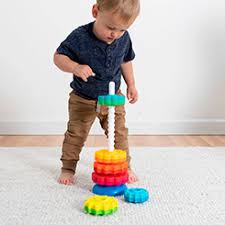
Stacking toys, like rings or simple blocks, are wonderful for developing fine motor skills. Babies learn to grasp, pick up, and place objects. Stacking rings onto a cone requires hand-eye coordination and an understanding of size.
Simple wooden blocks can be stacked, knocked down, and rebuilt, promoting creativity and fine motor control. This activity also helps them understand concepts like size, shape, and balance.
A classic set of stacking rings with different colors and sizes is a great starter. As they master stacking rings, move on to chunky wooden blocks. These are easier for small hands to hold and stack.
The satisfaction of building a tower, even a small one, is a great reward. Knocking it down is also a key part of the play and helps develop an understanding of cause and effect. Look for blocks with smooth edges and non-toxic finishes.
Shape Sorters
Shape sorters are excellent for teaching children about shapes and developing their problem-solving abilities. Babies need to identify the correct shape and orient it properly to fit it into the matching hole. This process hones their fine motor skills, visual discrimination, and spatial reasoning.
The act of trial and error is also a valuable learning experience. They learn to adjust their approach until they succeed.
A basic shape sorter with a few common shapes like a circle, square, and triangle is a good start. As they progress, you can introduce sorters with more complex shapes or more pieces. Some shape sorters also have different textures on the shapes, adding sensory exploration.
The ability to grasp and manipulate these shapes is key. The tactile experience of the shapes themselves can also be engaging.
Puzzles for Toddlers
Simple peg puzzles with large knobs are ideal for this age group. These puzzles help develop fine motor skills, hand-eye coordination, and problem-solving. The large knobs are easy for little fingers to grasp.
Each piece usually has a specific shape and a corresponding space on the puzzle board. This helps with shape recognition and visual tracking. The sense of accomplishment when they fit a piece correctly is immense.
Start with puzzles that have only a few pieces, perhaps 2-4. Themes like animals or common objects are usually engaging. As they gain experience, you can introduce puzzles with more pieces or slightly more complex shapes.
The act of lifting and placing the puzzle pieces requires precision. It also helps them understand how shapes fit together. This is a foundational skill for many later learning tasks.
Cognitive and Language Development
Cognitive development involves how children think, learn, and solve problems. Language development is about their ability to understand and use words. Between 12 and 24 months, babies are rapidly expanding their vocabulary and understanding of the world around them.
They begin to imitate sounds and words, follow simple instructions, and engage in pretend play. Toys that stimulate their minds and encourage communication are essential.
Look for toys that offer opportunities for imaginative play and early learning. Books, simple musical instruments, and toys that encourage imitation are all great choices. These playthings help build their understanding of concepts, cause and effect, and early social interactions.
They also provide a bridge between their internal thoughts and external expression. Engaging with these toys supports their growing curiosity.
Books for Babies and Toddlers
Board books with sturdy pages are perfect for this age group. They can withstand chewing and rough handling. Books with bright illustrations and simple text encourage language development and a love for reading.
Pointing to pictures and naming objects helps build vocabulary. Reading together also strengthens the bond between caregiver and child. It’s a precious time for learning and connection.
Choose books with repetitive phrases or engaging stories. Lift-the-flap books or touch-and-feel books add an interactive element that keeps little ones engaged. These books expose them to new words and concepts in a fun way.
The tactile experience of different textures can also be very stimulating. Sharing stories helps children understand emotions and social cues. It lays the groundwork for literacy.
A study from the National Center for Education Statistics found that children who are read to at least three times a week by a grade schooler are almost twice as likely to score in the top 25% in reading compared to children who are read to less often. For babies, the early exposure to books and language is just as vital. It builds their auditory processing skills and familiarity with the rhythm of language.
Musical Toys
Musical toys can introduce babies to rhythm, melody, and cause-and-effect. Simple instruments like shakers, tambourines, or xylophones allow them to explore making sounds. This is not just fun; it helps develop their auditory skills and sense of rhythm.
They learn that their actions create sounds, which is a form of early scientific discovery. Singing songs and dancing to music are also great for their development.
Ensure that any musical toy is durable and safe. Avoid toys with small parts that could be a choking hazard. A simple xylophone with a wooden mallet or a set of maracas are good choices.
The sounds they create can be stimulating and engaging. Music also has a calming effect and can be used to soothe a fussy baby. It is a wonderful way to foster creativity and self-expression.
Pretend Play Items
As toddlers approach two years old, they begin to engage in simple pretend play. Toys that facilitate this, like play phones, toy kitchens, or dolls, encourage imagination and social understanding. They might imitate actions they see their caregivers doing.
This type of play helps them process their experiences and develop empathy. It also helps them practice communication and social roles.
A toy phone can encourage them to mimic conversations. A small tea set can lead to playing “host” or “guest.” These toys help them understand the world around them in a safe and imaginative way. They are practicing skills that will be essential for social interaction and emotional development.
The ability to pretend is a significant cognitive leap. It shows they can think abstractly.
Safety and Durability
Safety is the most important consideration when choosing baby toys 12-24 months. Babies in this age group explore the world with their mouths, so any toy must be made of non-toxic materials. There should be no small parts that can break off and become choking hazards.
Durability is also key, as these toys will likely be dropped, banged, and perhaps even chewed on. Well-made toys will last longer and provide more value.
Always check for age recommendations on toy packaging. These recommendations are based on safety and developmental appropriateness. Toys designed for older children might have small parts or complex features that are not suitable for younger toddlers.
Inspect toys regularly for any signs of wear and tear, like cracks or loose parts. Replace damaged toys immediately to prevent any potential hazards.
Non-Toxic Materials
When selecting toys, always look for indicators that they are made from non-toxic materials. This includes being free from BPA, phthalates, and lead. Many wooden toys are finished with water-based paints or natural oils, which are safe.
Plastic toys should clearly state they are BPA-free. This ensures that if your baby mouths the toy, they are not ingesting harmful chemicals.
The safety standards for children’s toys are quite strict in many countries. Look for certifications or labels that indicate the toy meets these safety standards. For example, the ASTM F963 standard is a widely recognized safety standard for toys in the United States.
Understanding these labels provides an extra layer of reassurance. It ensures that the materials used are safe for your child’s health.
Choking Hazards and Small Parts
The “small parts” warning on toy packaging is critical for babies and toddlers. Anything that can fit through a standard toilet paper tube is considered a potential choking hazard. This includes small balls, marbles, buttons, batteries, and parts of larger toys that may have broken off.
Toys designed for children under three years old should not have small parts. For babies in the 12-24 month range, vigilance is essential.
Always inspect toys for any loose or detachable parts before giving them to your child. Regularly check toys for damage. If a toy breaks and reveals small pieces, discard it immediately.
Toys should be appropriately sized for the child’s age to minimize the risk of choking. This simple precaution can prevent serious accidents.
Sturdy Construction
Toys for toddlers need to be built to withstand rough play. A toy that breaks easily not only represents poor value but can also become a safety hazard. Look for toys made from sturdy materials like solid wood, durable plastics, or reinforced fabrics.
The joints and connections on toys should be strong. This ensures they won’t come apart during play.
For example, a wooden pull toy with securely attached wheels is a better choice than one with flimsy connections. A soft toy should have strong stitching. The goal is to select items that can endure being dropped, thrown, and generally used enthusiastically by a toddler.
Investing in well-made toys means they will last longer and remain safe for your child.
Interactive and Engaging Toys
The best toys for this age group are those that capture a child’s attention and encourage interaction. This could mean a toy that responds to their actions, makes sounds, or allows for creative expression. Interactive toys help keep toddlers engaged for longer periods, promoting focused play.
They also often encourage social interaction with caregivers, which is vital for learning and development.
Consider toys that have multiple ways to be played with. This increases their longevity and value. Toys that allow for open-ended play, where the child can decide how to use them, are particularly beneficial.
They foster creativity and problem-solving skills. The key is to provide stimulating experiences that cater to their curiosity and drive to explore.
Cause and Effect Toys
Toys that demonstrate cause and effect are excellent for teaching babies about how the world works. These toys show that when they perform an action, something happens in response. Examples include buttons that play music when pressed, levers that move objects, or toys that light up when a button is pushed.
This understanding is fundamental to cognitive development and problem-solving.
A simple electronic toy with colorful buttons that light up and make sounds when pressed is a good example. It teaches them that their touch has a direct result. Another is a jack-in-the-box toy, where turning a crank eventually leads to the surprise pop-up.
This predictable sequence helps them grasp the concept of action and reaction. These toys are highly motivating because they provide immediate feedback.
Imaginative Play Props
Even simple props can spark great imagination in toddlers. Toys like toy phones, pretend food, or simple dress-up items can lead to hours of creative play. These items encourage children to mimic actions they observe in their daily lives.
They are practicing social roles and developing their storytelling abilities. This type of play is crucial for developing social-emotional skills.
Think about a child pushing a toy stroller or pretending to stir a pot with a toy spoon. These actions are a reflection of their understanding of the world and their desire to participate. Providing a few simple, well-chosen props can open up a universe of imaginative possibilities.
These toys don’t need to be elaborate. Often, the simpler they are, the more room there is for a child’s imagination to flourish.
Sensory Exploration Toys
Toys that engage multiple senses are wonderful for this age group. This can include toys with different textures, sounds, or visual elements. Sensory play helps babies develop their understanding of the world through touch, sight, and sound.
It also aids in cognitive development and can be very calming. Look for toys made from various materials like soft fabrics, smooth wood, or textured plastic.
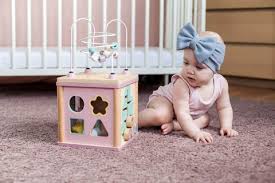
Activity cubes often incorporate multiple sensory elements, with different textures, buttons, and moving parts. Water play toys or sand toys can also provide rich sensory experiences. Even simple things like chunky crayons for scribbling can be a sensory experience.
The tactile feedback from different materials is a key part of how babies learn. It helps them build a more complete picture of the objects they interact with.
Baby Toys 12-24 Months Developmental Benefits
Toys for the 12-24 month age range are more than just entertainment; they are essential tools for development. At this stage, babies are rapidly acquiring new skills that form the foundation for future learning. Toys that are specifically designed for this age group can significantly support their physical, cognitive, and emotional growth.
They provide opportunities for exploration, problem-solving, and self-expression.
The right toys encourage curiosity and a love for learning. They allow babies to experiment and discover their capabilities. By providing a variety of stimulating play experiences, caregivers can help foster well-rounded development.
These developmental benefits extend beyond the toddler years, influencing a child’s lifelong learning trajectory. The investment in age-appropriate toys is an investment in a child’s future.
Supporting Early Language and Communication
Toys that encourage imitation and interaction are invaluable for early language development. Books, pretend play items, and simple musical instruments all provide opportunities for communication. Babies learn new words by hearing them associated with objects and actions.
They also begin to understand simple phrases and instructions. This stage is critical for building vocabulary and conversational skills.
Interactive toys that require a response or prompt speech are beneficial. For instance, a toy phone encourages mimicry of conversations. Books with clear pictures and simple labels help children associate words with images.
Even simple games like “peek-a-boo” help teach object permanence and the back-and-forth of conversation. Encouraging babbling and responding to their attempts at communication is key.
Research indicates a strong link between early language exposure and later academic success. A report by the American Academy of Pediatrics highlighted that children from language-rich environments tend to have larger vocabularies and better reading comprehension. For babies between 12 and 24 months, this means that toys promoting vocalization and interaction are crucial.
They are not just playing; they are building essential communication bridges.
Fostering Problem-Solving Skills
Toys that present simple challenges help toddlers develop problem-solving abilities. Shape sorters, simple puzzles, and stacking toys require children to think about how to achieve a goal. They learn to experiment, try different approaches, and learn from mistakes.
This process builds resilience and critical thinking skills. The satisfaction of solving a problem independently is a powerful motivator.
When a toddler figures out how to fit a shape into its correct slot or stack blocks without them falling, they are engaging in problem-solving. These small successes build confidence. They learn that persistence pays off.
These foundational problem-solving skills are transferable to many areas of life. They learn to approach challenges with a determined attitude.
Encouraging Creativity and Imagination
Open-ended toys allow children to use their imagination and be creative. Blocks, art supplies, and pretend play items have no single “right” way to be used. This freedom encourages children to invent their own games and stories.
Creativity is essential for innovation and adaptability. It allows children to explore different possibilities and express themselves.
A pile of blocks can become a castle, a car, or a tower. A crayon can be used to draw anything the child imagines. These toys provide the materials for their creative ideas.
They help children develop the ability to think outside the box. Fostering imagination at this early age sets the stage for creative thinking later in life. It allows them to see the world in unique ways.
Promoting Social and Emotional Development
Toys that involve interaction with others support social and emotional growth. Pretend play, like playing house or caring for a doll, helps children understand different roles and emotions. Sharing toys and taking turns, even in simple ways, teaches valuable social skills.
These experiences help them learn to cooperate and build relationships. It also helps them understand empathy and how their actions affect others.
When a child pretends to feed a doll or comfort a stuffed animal, they are practicing empathy. Playing with peers or siblings, even if it’s just parallel play at first, teaches them about social dynamics. Responding to a caregiver’s prompts during play also strengthens their emotional connection.
These social interactions are crucial for building confidence and a sense of belonging.
Common Myths Debunked
Myth 1: Expensive toys are always better for development.
Many parents believe that the most expensive toys offer the greatest developmental benefits. However, this is often not the case. Simple, open-ended toys like blocks, balls, and board books can be just as, if not more, effective for fostering creativity, problem-solving, and motor skills.
These basic toys encourage a child’s imagination and allow for versatile play. The true value lies in how a toy encourages interaction and learning, not its price tag.
Myth 2: Babies need lots of electronic toys with flashing lights and sounds.
While some electronic toys can be engaging, an overreliance on them can be detrimental. Babies need hands-on exploration and opportunities for imaginative play. Too many electronic toys can make passive learners.
Toys that require more active participation from the child, like those promoting physical movement or creative building, are generally more beneficial for long-term development. Simple toys often spark more genuine engagement and learning.
Myth 3: Babies can play with any toy marketed for young children.
Age recommendations on toys are crucial for safety and developmental appropriateness. Toys designed for older children might have small parts that pose a choking hazard to younger toddlers. Conversely, toys that are too simple might not offer enough challenge for older babies.
Always check the recommended age range to ensure the toy is both safe and engaging for your child’s specific developmental stage.
Myth 4: Toys should always teach specific skills.
While some toys are designed with educational goals in mind, not all play needs to be explicitly educational. Free play and exploration are vital for a child’s development. Allowing children to explore toys in their own way fosters creativity and problem-solving.
The most valuable toys are often those that allow for open-ended use, letting the child direct their own learning and discovery. Play is learning.
Frequently Asked Questions
Question: What is the most important skill for baby toys 12-24 months to support?
Answer: While many skills are developing, supporting gross and fine motor skills is incredibly important as babies learn to walk, grasp, and manipulate objects during this time.
Question: Are wooden toys better than plastic toys for toddlers?
Answer: Both have benefits. Wooden toys are often durable and eco-friendly. Plastic toys can be easier to clean and often feature interactive electronic elements.
The key is safety and age-appropriateness, not just the material.
Question: How many toys does a toddler really need at this age?
Answer: Quality over quantity is best. A few well-chosen, versatile toys that encourage different types of play are more beneficial than a large number of toys that might overwhelm or bore the child.
Question: When should I introduce puzzles to my baby?
Answer: Simple knob puzzles can be introduced around 12 months. Start with puzzles that have only 2-4 large pieces. Gradually increase complexity as your child develops their skills.
Question: What are some good sensory toys for this age group?
Answer: Sensory toys can include those with different textures like soft fabric balls, smooth wooden blocks, squishy water toys, or simple art supplies like chunky crayons for scribbling.
Wrap Up
Selecting baby toys 12-24 months should be exciting. Focus on toys that encourage movement, fine motor skills, and simple problem-solving. Prioritize safety with non-toxic materials and no small parts.
Simple, open-ended toys offer the most play value. Give your child a variety of options to explore and learn. Enjoy watching them discover and grow through play.
Related Post
Best Baby Toys 6 Months And Up For Development
Choosing toys for your little one can be fun, but when your baby hits six…