Best Baby Toys For 3 Months Old
Toys For All Ages >> Toys>> Best Baby Toys For 3 Months Old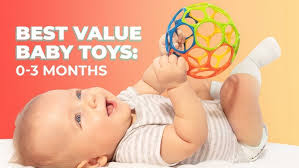
Best Baby Toys For 3 Months Old
Finding the right playthings for your little one can feel tricky sometimes. When your baby is around three months old, they are starting to notice more and explore with their senses. It’s a fun time!
But figuring out which of the many baby toys for 3 months are actually good for them can be confusing for new parents. Don’t worry, we’ll make it simple and show you exactly what to look for and why.
Key Takeaways
- Babies at three months are developing quickly and need toys that encourage sensory exploration and early motor skills.
- Soft textures, bright colors, gentle sounds, and easy-to-grasp shapes are ideal for this age group.
- Toys that promote reaching, batting, and listening help build important developmental milestones.
- Safety is paramount; always choose toys made from non-toxic materials with no small parts.
- Rotation is key; offering a few stimulating toys at a time keeps your baby engaged and prevents overstimulation.
- Observe your baby’s reactions to understand what truly captures their attention and supports their current developmental stage.
Choosing Toys for Your Three-Month-Old
At three months, babies are like little sponges, soaking up everything around them. Their senses are becoming more active, and they start to interact with their environment in new ways. They might be able to hold their head up a bit longer, follow moving objects with their eyes, and reach out to touch things, even if they don’t quite grasp them yet.
This is a wonderful period for introducing toys that help them learn and grow. Finding the right baby toys for 3 months means selecting items that are safe, stimulating, and support their developing abilities. It’s less about complex gadgets and more about simple, engaging items that appeal to their curious minds and budding physical skills.
Sensory Exploration
Babies learn about the world through their senses: sight, sound, touch, and even taste. Toys that engage these senses are perfect for a three-month-old. Bright, contrasting colors, like black and white or bold primary colors, are particularly captivating for developing eyes.
Soft textures, like plush fabrics or smooth silicone, encourage tactile exploration, helping babies understand different materials. Gentle sounds, such as rattles or crinkly noises, also grab their attention and help develop auditory processing.
-
Visual Stimulation: At this age, babies are developing their vision and are drawn to high-contrast patterns and bright, primary colors. They can track moving objects and are starting to focus on faces. Toys that feature simple, bold designs or gentle, moving parts can really hold their interest and aid in visual development.
For instance, a black and white high-contrast cloth book or a mobile with simple geometric shapes in bright colors can be incredibly engaging. The ability to track these visuals helps strengthen their eye muscles and improve their focus. It’s like giving their developing eyesight a gentle workout.
-
Auditory Engagement: Babies’ hearing is quite sharp, and they respond well to different sounds. Toys that produce soft rattles, crinkles, or gentle music can capture their attention and help them differentiate sounds. This is crucial for language development later on.
A soft rattle that makes a gentle maraca sound when shaken, or a plush toy with a crinkly tag, can provide wonderful auditory feedback. When the baby makes the sound happen, it’s a cause-and-effect learning moment. They begin to associate their actions with the resulting noise.
-
Tactile Discovery: Touch is one of the primary ways babies explore their surroundings. Offering toys with a variety of textures—soft, smooth, bumpy, ribbed—allows them to feel and understand different sensations. This helps build their sensory perception and fine motor skills.
Imagine a soft fabric book with different textured pages, or a teething toy made of smooth, food-grade silicone. When a baby mouths or touches these items, they are gathering information about the world through their fingertips and tongue. This exploration is fundamental to their learning.
Motor Skill Development
Three months is a key stage for developing gross and fine motor skills. Babies are gaining more control over their movements. Toys that encourage reaching, batting, and grasping are beneficial.
These actions help strengthen their muscles and improve hand-eye coordination.
-
Reaching and Grasping: While a three-month-old may not have a strong grasp, they are beginning to reach for objects. Toys that are easy to bat at or that hang within reach can encourage this reaching behavior. This is the precursor to intentional grasping.
A play gym with dangling toys is perfect for this. The baby can see the toys and will naturally try to reach out and bat at them. Each successful bat is a small victory, building confidence and refining their motor control.
-
Tummy Time Aids: Tummy time is vital for building neck and upper body strength. Toys placed in front of the baby during tummy time can motivate them to lift their head and explore their surroundings.
A soft tummy time mat with interesting textures or a simple mirror can make this activity more engaging. The baby sees their own reflection or feels the interesting patterns, encouraging them to stay in the tummy time position longer and explore more.
-
Encouraging Movement: Toys that make noise when touched or moved can encourage babies to practice their reaching and batting skills. This repetition is crucial for developing muscle memory and coordination.
A soft activity arch placed over a play mat allows babies to reach up and swat at hanging toys. Each swat might trigger a gentle sound or movement, rewarding their effort and encouraging more practice.
Safety First Always
When selecting any toy for a baby, especially one as young as three months, safety is the most important consideration. Babies explore with their mouths, so it’s essential that all toys are made from non-toxic materials and are free from harmful chemicals like BPA or phthalates. Always check for small parts that could be a choking hazard.
Toys should be durable and easy to clean.
Material Safety
The materials used in baby toys can significantly impact their safety. Opt for toys made from natural materials like organic cotton, wood, or food-grade silicone. These materials are generally safer and less likely to contain harmful substances that could be absorbed by the baby.
-
Non-Toxic Materials: Always look for toys labeled as BPA-free, PVC-free, and phthalate-free. These chemicals are common in plastics but can be harmful to a baby’s developing system.
For example, a silicone teething toy is a safer alternative to older plastic teething rings that might contain these harmful chemicals. Babies will naturally put toys in their mouths, so the materials need to be completely safe for ingestion.
-
Durability and Construction: Toys should be well-constructed with no loose parts. Seams should be strong, and buttons or other attachments should be securely fastened.
A plush toy with securely sewn-on eyes is much safer than one with button eyes that could detach and become a choking hazard. Regularly inspect toys for wear and tear.
Choking Hazards
Babies at three months are not yet able to chew or break apart toys, but they can still put small objects into their mouths. Toys should not have small pieces that can easily detach, such as tiny beads, buttons, or bells.
-
Size Matters: Any toy or part of a toy should be too large to fit into a baby’s mouth or up their nostrils. The standard choking hazard test involves a small cylinder that represents the size of a baby’s airway.
If a small toy or a detached part can fit into this cylinder, it is a serious choking risk and should be avoided for babies under three years old, and certainly for a three-month-old.
-
Battery Compartments: If a toy uses batteries, the battery compartment should be securely screwed shut. Loose battery compartments are a major hazard.
Toys with small, easily accessible battery compartments pose a significant risk. Always ensure these are covered and secured with a screw to prevent curious little hands from accessing them.
Types of Baby Toys For 3 Months
At three months, a baby’s world is expanding. They are beginning to show preferences and are more aware of their surroundings. The right toys can foster their curiosity and support their developmental milestones.
Think about toys that are easy to hold, make gentle sounds, have interesting textures, and are visually stimulating. Variety is key to keeping your baby engaged.
Soft Toys and Plush Pals
Soft toys are a natural fit for babies as they are gentle and comforting. They are also usually easy to grasp and mouth. Look for plush toys made from safe, washable materials.
-
Comfort and Security: Soft toys can provide a sense of comfort and security for a baby. Their gentle textures are pleasing to touch and can be soothing.
A soft, cuddly stuffed animal with different textures, like a satin tag or a crinkly ear, can offer a multi-sensory experience that is both comforting and stimulating for a young baby.
-
Ease of Grasping: Many soft toys are designed with features that make them easy for small hands to hold onto. This could be a soft fabric loop or an interesting shape.
Toys with easily graspable elements, like a soft ring on a plush toy, help babies practice their developing grip. Even if they can’t fully hold it yet, they can bat at it and attempt to grip it.
-
Washable Materials: Since babies tend to put everything in their mouths, it’s essential that soft toys are easy to clean. Look for materials that can be machine washed or easily wiped down.
A plush toy that can be tossed into the washing machine ensures that it stays hygienic and safe for your baby, especially as they explore it with their mouth.
Activity Gyms and Play Mats
Activity gyms and play mats are fantastic for engaging babies during tummy time and encouraging movement. They often feature a variety of hanging toys, textures, and bright colors.
-
Encouraging Tummy Time: These provide a stimulating environment for babies to practice tummy time. The toys and mirrors within reach encourage them to lift their heads and explore.
A well-designed play mat with a variety of sensory elements, such as different textures, a baby-safe mirror, and interesting hanging toys, makes tummy time more enjoyable and productive. It helps build essential neck and upper body strength.
-
Hand-Eye Coordination: The dangling toys on an activity gym encourage babies to reach out and bat at them, which is excellent for developing hand-eye coordination.
As the baby lies on their back, they can see and reach for the brightly colored toys hanging above. Each swat and touch helps them learn how their movements affect the world around them.
-
Sensory Exploration Galore: These versatile play spaces often include different textures, sounds, and visual elements, offering a rich sensory experience.
From crinkly fabrics to soft plush characters and gentle rattles, an activity gym offers a diverse range of sensory input. This broad exposure helps babies learn about different sensations and develop their sensory processing skills.
Rattles and Sound Toys
Simple rattles and sound toys are great for developing a baby’s auditory senses and introducing the concept of cause and effect. The gentle sounds can be very engaging for three-month-olds.
-
Auditory Stimulation: The gentle sounds produced by rattles help stimulate a baby’s hearing and can help them learn to differentiate various noises.
A soft rattle that emits a gentle, pleasing sound when shaken helps a baby develop their auditory awareness. They begin to associate the movement of the toy with the sound it makes.
-
Cause and Effect Learning: When a baby shakes a rattle and hears a sound, they learn that their action caused that result. This is a fundamental learning principle.
This early understanding of cause and effect is a building block for future learning. It encourages babies to explore and experiment with their movements, knowing that their actions have consequences.
-
Grip Practice: Many rattles are designed with easy-to-grip handles, allowing babies to practice holding and manipulating objects.
Rattles with ergonomic handles are perfect for little hands to hold. They can practice grasping, shaking, and eventually, maybe even throwing.
Teething Toys
Even if your baby isn’t teething yet, teething toys are excellent sensory tools. They often have interesting textures that babies love to explore with their mouths, which is a natural part of their development.
-
Soothing Gums: While teething might not be the primary concern at three months, babies often explore with their mouths, and textured teething toys can be soothing.
The varied textures of a teething toy can provide comfort and oral sensory input, even before teeth erupt. It satisfies the natural urge to explore objects with the mouth.
-
Textural Variety: Teething toys come in a wide range of textures, from smooth silicone to bumpy rubber, offering diverse tactile experiences.
A teething toy with different patterns and textures, like raised bumps or grooves, allows the baby to explore different sensations with their gums and tongue, aiding sensory development.
-
Safe for Mouthing: Ensure all teething toys are made from food-grade, non-toxic materials that are safe for babies to mouth and chew on.
Materials like BPA-free silicone or natural rubber are ideal. They are durable, easy to clean, and free from harmful chemicals, making them safe for your baby’s oral exploration.
How to Introduce Baby Toys For 3 Months
Introducing toys to your three-month-old is less about a formal lesson and more about creating opportunities for exploration and interaction. The goal is to stimulate their senses and encourage their developing motor skills without overwhelming them. Think of it as gentle invitations to play.
Creating a Playful Environment
A good play environment is safe, comfortable, and visually appealing. Ensure the baby has enough space to move freely and that the area is free from hazards. Simple, uncluttered spaces can be more beneficial than overly stimulating ones for this age.
-
Safe Space: Designate a safe area for play, whether it’s a play mat on the floor or a comfortable blanket. Ensure the area is free from drafts and any potential dangers.
A soft play mat provides a safe and cushioned surface for your baby to lie on. This protects them from hard floors and makes their play experience more comfortable and secure.
-
Visual Appeal: Use toys with bright colors and contrasting patterns to capture your baby’s attention. Position them within easy reach.
Placing a high-contrast toy or a baby-safe mirror within the baby’s line of sight encourages visual focus and engagement. This helps them practice tracking and recognizing objects.
-
Comfort and Support: Ensure your baby is comfortable during play. They might need head support or to be repositioned if they become fussy.
If your baby is having tummy time, ensure they are on a supportive surface and that you are nearby to offer encouragement and help if they need to be turned over.
Interactive Play
Your interaction is the most valuable part of play. Talk to your baby about the toys, point them out, and gently help them interact. This social interaction is crucial for their development.
-
Narrate the Play: Talk to your baby about the toys you are introducing. Describe their colors, textures, and sounds.
Saying things like, “Look at the bright red ball! It makes a soft rattling sound when you shake it!” helps your baby connect words with objects and actions. This is an early form of language learning.
-
Gentle Guidance: If your baby is struggling to reach a toy, you can gently move it closer or help guide their hand towards it.
When a baby is trying to reach for a toy, you can gently place their hand on it or move the toy slightly to make their reaching effort successful. This positive reinforcement encourages further exploration.
-
Observe and Respond: Pay attention to your baby’s cues. If they show interest in a toy, continue playing with it. If they seem overstimulated or bored, switch to something else or take a break.
Your baby will let you know what they like. If they smile and reach for a toy, they are engaged. If they turn away or become fussy, it’s time for a change.
This responsiveness builds trust and understanding.
Toy Rotation
Babies can get overstimulated easily. Rotating toys means offering a few at a time and then putting them away and bringing out a different selection later. This keeps play fresh and exciting.
-
Preventing Overstimulation: Offering too many toys at once can be overwhelming for a baby. Rotating toys helps maintain their focus and interest.
Instead of having a whole basket of toys out, present just two or three at a time. This focused approach helps your baby engage more deeply with each toy.
-
Maintaining Novelty: Regularly switching toys ensures that each play session feels new and exciting, preventing boredom.
When you bring out a toy that hasn’t been seen for a few days, it can capture your baby’s attention all over again, as if it were brand new. This keeps their curiosity piqued.
-
Encouraging Focused Play: With fewer options available, babies are more likely to interact with the toys they are offered for longer periods.
When a baby has limited choices, they tend to explore each toy more thoroughly. This focused interaction supports deeper learning and skill development.
Developmental Milestones At 3 Months
At three months, babies are making noticeable developmental leaps. Their senses are sharpening, their motor skills are improving, and they are becoming more interactive. Toys that support these burgeoning abilities can be incredibly beneficial.
Understanding these milestones helps in choosing the most appropriate baby toys for 3 months.
Physical Development
Babies at this age are gaining better control over their bodies. They are developing core strength, improving their reflexes, and beginning to coordinate their movements.
-
Head Control: Babies can often hold their head up for longer periods during tummy time and when being held. Toys that encourage them to lift their head and look around support this.
A play gym with a mirror or bright toys placed in front of them during tummy time motivates them to lift their head and engage with their surroundings, strengthening neck and back muscles.
-
Reaching and Batting: They are starting to reach for objects and bat at things that are within their reach. Toys that hang within sight and are easy to bat at are ideal.
The dangling toys on an activity gym are perfect for encouraging this development. Each successful bat rewards their effort and builds hand-eye coordination.
-
Swatting and Grasping (Early Stages): While a full grasp might still be developing, babies are starting to swat at toys and may accidentally close their hands around them.
Toys with easy-to-grasp shapes or textures, like a soft rattle or a fabric ring, help them practice this early grasping reflex.
Cognitive and Sensory Development
Babies are becoming more aware of their surroundings and are beginning to understand cause and effect. Their senses are key to their learning.
-
Visual Tracking: They can now follow moving objects with their eyes more smoothly and for longer periods.
Mobiles with gentle, slow-moving parts or toys that can be slowly moved in front of them help refine their visual tracking skills.
-
Auditory Perception: Babies are better at distinguishing sounds and may turn their head towards a noise. They respond to voices and different tones.
Toys that make gentle sounds, like rattles or soft musical toys, help develop their auditory processing. They learn to associate sounds with their source.
-
Cause and Effect Awareness: When a baby shakes a rattle and hears a sound, they begin to understand that their action produced the result.
Simple sound toys are excellent for teaching this basic principle of cause and effect, which is foundational to all learning.
Social and Emotional Development
At three months, babies are becoming more social. They smile more readily, make eye contact, and respond to familiar faces and voices.
-
Social Smiling: Babies often begin to smile socially around this age, responding to interaction and familiar faces.
Interacting with your baby, smiling at them, and holding them while they play with toys encourages this important social connection.
-
Recognizing Familiarity: They can start to recognize familiar people and may show preferences for certain caregivers.
Playing with your baby and talking to them helps strengthen these bonds and reinforces their sense of security.
-
Expressing Emotions: Babies are becoming more adept at expressing their needs and feelings through various cries, coos, and facial expressions.
Toys that encourage interaction and gentle play can help them express joy and curiosity. Your responsive engagement validates their emotions.
Common Myths Debunked
Myth 1: Babies need lots of expensive, high-tech toys to develop
Reality: Babies at three months actually benefit most from simple, sensory-rich toys. Their development is driven by interaction and exploration, not by the complexity or price of a toy. Think soft textures, bright colors, and gentle sounds.
Everyday objects, used safely, can also be stimulating. For example, a baby-safe mirror or a crinkly fabric book can be just as engaging as a battery-operated toy. The most important element is the interaction between the baby and the caregiver with the toy.
Myth 2: More toys mean a smarter baby
Reality: While a variety of toys is good, having too many can be overwhelming. It can lead to overstimulation and a shorter attention span. It’s better to have a few carefully chosen toys and rotate them regularly.
This keeps play novel and engaging. Focused play with a few items allows babies to explore them more deeply, which is crucial for learning. Quality of interaction often matters more than quantity of toys.
Myth 3: Toys for three-month-olds must be educational
Reality: At this age, all play is educational! Toys don’t need to have specific “educational” labels. Any toy that encourages sensory exploration, movement, or interaction is supporting development.
A soft rattle helps with auditory skills and cause-and-effect. A play gym supports gross motor skills. These are all learning experiences for a baby.
The focus should be on engagement and sensory input, not on formal learning objectives.
Myth 4: Babies will tell you if they don’t like a toy
Reality: While babies do show preferences, they can’t verbally express dislikes. Instead, they show it through their body language. If a baby turns away, fusses, or becomes restless when presented with a toy, it’s a sign they are not interested or are overstimulated.
Observing these cues and adjusting the toys or play accordingly is key to understanding their preferences. Don’t assume silence means enjoyment; watch for engagement.
Frequently Asked Questions
Question: What are the safest materials for baby toys for 3 months
Answer: The safest materials are typically food-grade silicone, BPA-free plastics, organic cotton, and unfinished or naturally finished wood. Always check labels for certifications like “BPA-free” and ensure there are no small parts.
Question: Should I worry about toys with small parts for a 3-month-old
Answer: Yes, absolutely. Even though a 3-month-old isn’t likely to intentionally pull things apart, they can still accidentally dislodge small parts, posing a choking hazard. Always choose toys specifically designed for their age group with no loose or detachable small pieces.
Question: How many toys does a 3-month-old need
Answer: You don’t need many. A few well-chosen, safe, and stimulating toys are sufficient. Think about 3-5 key toys that encourage sensory exploration and early motor skills.
Rotating these toys keeps them interesting.
Question: How long should I play with my baby using toys
Answer: Play sessions can be short and frequent. Aim for 5-15 minutes of focused play several times a day. Follow your baby’s cues; if they are engaged, continue.
If they show signs of fatigue or overstimulation, take a break.
Question: Can I use household items as toys for my 3-month-old
Answer: Some household items can be used, but extreme caution is needed. Ensure they are clean, smooth, non-toxic, and have no small parts that can break off. A wooden spoon or a metal whisk (under strict supervision) might be interesting, but always prioritize safety and toys designed specifically for babies.
Conclusion
Choosing baby toys for 3 months is about fostering curiosity and supporting natural development. Focus on safe, sensory-rich items that encourage reaching and exploration. Simple is often best.
Observe your baby, rotate their toys, and enjoy this precious stage of discovery together.
Related Post
Best Baby Toys For Brain Development
Choosing baby toys that help brain development can feel a bit tricky for new parents.…