Best Baby Toys 6 Months And Up For Development
Toys For All Ages >> Toys>> Best Baby Toys 6 Months And Up For Development
Best Baby Toys 6 Months And Up For Development
Choosing toys for your little one can be fun, but when your baby hits six months, things can feel a bit tricky. You want toys that are safe, engaging, and help them grow. It’s a common stage for parents to wonder what’s next.
This guide makes it super simple. We’ll walk you through exactly what baby toys 6 months and up should offer, step-by-step. Get ready to find perfect playthings that spark joy and learning.
Key Takeaways
- Understand the developmental milestones babies reach around six months that influence toy choice.
- Discover types of toys that encourage motor skill development like grasping and reaching.
- Learn how sensory toys can stimulate a baby’s senses of sight, sound, and touch.
- Identify toys that support cognitive growth through problem-solving and cause-and-effect.
- Find practical tips for selecting safe and age-appropriate toys for your baby.
- Explore examples of popular and effective baby toys for this age group.
Choosing Baby Toys 6 Months And Up For Growth
What Babies Learn At Six Months
Around six months, babies enter a vibrant phase of development. They start sitting up, reaching for objects with more control, and exploring the world with their mouths. Their vision sharpens, and they begin to understand cause and effect.
This is a prime time for toys that support these emerging abilities. Toys should encourage reaching, grasping, and exploring textures. They should also introduce simple concepts like stacking and dropping.
This period is marked by rapid physical and cognitive growth. Babies are becoming more aware of their surroundings and their own bodies. They love interacting with their caregivers and responding to sounds and sights.
The right baby toys 6 months and up can significantly boost this learning process. They provide opportunities for practice and discovery. It’s about offering stimulating experiences that are also safe for little hands and mouths.
Motor Skill Development Toys
At six months, babies are refining their fine and gross motor skills. They can sit independently for short periods and are practicing reaching and grasping. Toys that help them develop these skills are essential.
Look for items that are easy to hold and manipulate. Things that encourage batting, shaking, and transferring objects from one hand to another are great.
These toys help build muscle strength and coordination. They also introduce babies to the concept of intentional movement. For example, a soft rattle encourages the arm movement to shake it.
A ball they can push or roll helps with hand-eye coordination. Developing these skills early sets a foundation for crawling, walking, and more complex actions later on.
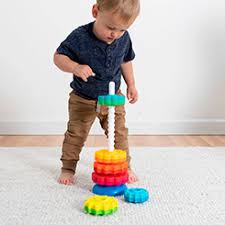
- Stacking Rings: These are classic for a reason. They help babies learn about size and order. Grasping the rings and placing them on the post develops fine motor control. The different textures and bright colors also engage their senses.
- Soft Balls: Easy to grip and roll, soft balls encourage reaching and crawling. Babies learn to push them and watch them move. This also improves hand-eye coordination as they try to catch or bat them.
- Activity Gyms and Play Mats: These often have hanging toys that babies can bat at. They encourage reaching and stretching. Many also have different textures to explore, engaging touch and sight.
Sensory Exploration Toys
Sensory play is vital for a baby’s developing brain. At six months, babies are highly curious about the world through their senses. Toys that offer varied textures, sounds, and colors provide rich sensory input.
These experiences help build neural connections and a deeper understanding of their environment. Soft fabrics, crinkly sounds, and bright, contrasting colors are especially engaging.
Sensory toys can soothe or stimulate a baby. The feeling of different materials against their skin is a learning experience. The sounds they make can capture their attention and encourage vocalization.
Observing bright lights and patterns helps develop visual tracking skills. It’s all about providing safe ways for them to interact with and learn from their surroundings through touch, sight, and sound.
- Crinkle Books or Toys: The soft crinkling sound is fascinating for babies. It provides auditory stimulation and encourages them to explore with their hands. The different textures of the pages or material also add tactile interest.
- Textured Balls or Blocks: These offer a variety of surfaces to touch, from bumpy to smooth. They encourage grasping and exploring with different parts of their fingers. The varied textures can also be calming or exciting.
- Musical Toys with Simple Melodies: Toys that play gentle, repetitive tunes can be very engaging. They help develop auditory processing and cause-and-effect understanding when the baby activates the sound. Avoid anything too loud or jarring.
Cognitive Development Toys
As babies grow, their cognitive abilities expand. They start to understand that objects exist even when they can’t see them (object permanence). They also begin to grasp simple cause and effect—push a button, a light turns on.
Toys that facilitate these discoveries help build foundational problem-solving skills.
These toys encourage thinking, memory, and early logic. When a baby realizes that shaking a toy makes a sound, they are learning about cause and effect. Toys that have simple buttons or levers they can activate are excellent for this.
They promote experimentation and a sense of accomplishment when they achieve a desired outcome.
- Shape Sorters (Simple Ones): Start with basic, large shapes that fit into matching holes. This teaches shape recognition and spatial reasoning. It’s a great introduction to problem-solving.
- Pop-Up Toys: These toys often have buttons, levers, or wheels that, when manipulated, cause a character to pop up. They are fantastic for teaching cause and effect in a fun, engaging way.
- Activity Cubes: These multi-sided toys offer a variety of activities like beads to slide, doors to open, and gears to turn. They provide a wealth of learning opportunities in one compact toy, promoting cognitive and motor skills.
Safe Practices For Baby Toys
Material Safety Standards
When choosing baby toys 6 months and up, safety is paramount. Babies explore the world with their mouths, so all materials should be non-toxic and durable. Look for toys made from BPA-free plastic, natural wood, or organic cotton.
Ensure there are no small parts that could detach and become a choking hazard. This is especially important for babies who are still putting everything in their mouths.
Reputable brands often adhere to strict safety regulations. Check for labels that indicate compliance with standards like those set by the Consumer Product Safety Commission (CPSC) in the United States or similar bodies in other regions. Understanding these standards helps parents make informed choices about the toys they bring into their homes.
- BPA and Phthalate Free: These chemicals can be harmful if ingested. Toys explicitly stating they are free of these are safer. Babies can chew on toys for extended periods, making material composition crucial.
- Lead-Free Paint: If toys are painted, ensure the paint is non-toxic and lead-free. Lead poisoning can have serious developmental consequences.
- Durable Construction: Toys should be sturdy enough to withstand vigorous play and occasional drops without breaking into small pieces. This prevents accidental ingestion of broken parts.
Choking Hazard Awareness
Choking hazards are a significant concern for babies under one year old. Any toy or part of a toy that can fit through a toilet paper tube is considered a potential choking hazard. This includes small beads, buttons, marbles, and batteries.
Always inspect toys regularly for any signs of wear and tear that might create loose parts.
This awareness extends to the size of the toy itself. While a toy might be designed for older babies, if it has small detachable components, it’s not suitable for younger infants who explore with their mouths. Parents should always supervise play, especially with new toys, to ensure their baby is interacting with them safely.
- Small Parts Test: A common guideline is to check if any part of the toy can pass through a standard toilet paper tube. If it can, it’s too small for babies who are still mouthing objects.
- Battery Compartments: Ensure battery compartments are securely screwed shut. Small button batteries are extremely dangerous if swallowed.
- Age Recommendations: Always follow the manufacturer’s age recommendations. These are based on safety assessments and developmental appropriateness.
Toy Care And Cleaning
Keeping baby toys clean is essential for their health. Babies put toys in their mouths constantly, transferring germs. Regularly cleaning toys helps prevent the spread of illness.
The method of cleaning will depend on the toy’s material.
Different materials require different cleaning approaches. Some toys can go in the dishwasher, while others need a gentle wipe-down. Always check the manufacturer’s instructions for the best cleaning method.
This ensures the toys remain safe and last longer.
- Dishwasher Safe Toys: Many plastic toys can be washed on the top rack of the dishwasher. Use a gentle cycle and mild detergent. This is an effective way to sanitize them.
- Wipe Clean Toys: For toys that cannot be submerged, use a damp cloth with mild soap and water. Rinse thoroughly and allow them to air dry completely.
- Soft Toys and Plushies: Many fabric toys can be machine washed on a gentle cycle in a garment bag. Always air dry them to prevent damage.
Interactive Play Benefits
Building Bonds Through Play
Interactive play is more than just fun; it’s a powerful way to strengthen the bond between a baby and their caregiver. When you engage with your baby through play, you’re communicating love, support, and attention. This interaction builds trust and emotional security, which are fundamental for a child’s development.
Playing together also provides opportunities for language development. As you play, you can narrate your actions, name objects, and use different vocal tones. This exposure to language helps babies build their vocabulary and understand communication.
It’s a natural and enjoyable way to foster a strong connection.
- Shared Exploration: When you play with your baby, you are sharing in their discovery of the world. Your presence and engagement validate their experiences and encourage further exploration. This shared joy is a cornerstone of bonding.
- Responsive Interaction: Playing allows you to respond to your baby’s cues. If they reach for a toy, you can hand it to them. If they seem frustrated, you can offer gentle assistance. This responsiveness teaches them they are heard and understood.
- Language Rich Environment: Talking about the toys, what they do, and how they feel creates a language-rich environment. Babies learn words and sentence structures through this playful conversation.
Encouraging Early Learning Through Play
Interactive play is a cornerstone of early childhood learning. When caregivers actively participate with babies, they create dynamic learning opportunities. This guided exploration helps babies understand new concepts and skills in a safe and nurturing context.
It’s where curiosity meets guidance.
This type of play directly supports cognitive and motor development. For example, playing with stacking toys together allows you to demonstrate how they fit. You can offer encouragement when they succeed and gentle support when they struggle.
This process reinforces learning and builds confidence.
- Cause and Effect Demonstrations: When playing with a toy that makes a sound when shaken, you can demonstrate this to your baby. “Listen, when you shake it, it makes a noise!” This helps them grasp the concept of actions having predictable results.
- Language Acquisition Through Play: Point to toys and name them. Describe actions like “rolling the ball” or “stacking the blocks.” This repetition and association are crucial for early language development.
- Problem Solving Guidance: If a baby is struggling to fit a shape into a sorter, you can gently guide their hand or offer verbal prompts. This introduces problem-solving strategies without overwhelming them.
Real-Life Examples Of Interactive Play
Consider Sarah and her six-month-old son, Leo. Sarah introduced Leo to a set of soft, textured balls. Initially, Leo just looked at them.
Sarah then gently rolled one towards him. Leo watched, then reached out and touched it.
Sarah encouraged him, “Wow, Leo, you touched the ball!” She then showed him how to bat at it. Leo giggled and began to bat it back, a simple form of interaction. This back-and-forth play not only entertained Leo but also helped him develop his motor skills and understand the concept of cause and effect.
Sarah’s engagement turned a simple toy into a rich learning experience.
Another example is Mark and his daughter, Maya, who is seven months old. Maya was fascinated by a board book with large, colorful pictures. Mark would point to the pictures and say the names, like “dog” or “car.” Maya would often point her finger, trying to imitate him.
Mark praised her efforts, “Yes, Maya, that’s a dog!” This consistent, playful interaction with the book helped Maya learn new words and associate them with images. It also strengthened their bond as they shared this quiet, focused activity. The book became a tool for language learning and connection.
Popular And Effective Baby Toys 6 Months And Up
Activity Cubes And Centers
Activity cubes are fantastic for this age group because they offer multiple play experiences in one compact toy. Typically, they feature different sides with various activities. These can include bead mazes, spinning gears, doors to open, buttons to press, and sometimes even mirrors.
They cater to a wide range of developmental needs, from fine motor skills to cognitive development.
Babies can spend a lot of time exploring an activity cube. They can sit in front of it and reach for different elements. This encourages reaching, grasping, and problem-solving.
The variety of textures and sounds keeps them engaged. Many activity cubes are designed with safety in mind, using smooth edges and non-toxic materials.
- Multi-Faceted Learning: Each side of the cube usually focuses on a different skill. One side might have sliding beads for fine motor practice, while another has a simple latch for problem-solving.
- Durable and Long-Lasting: Good quality activity cubes are built to last. They can withstand rough play and often grow with the child as their abilities develop.
- Engaging for Extended Periods: The sheer variety of activities keeps babies interested longer than single-function toys. This provides more opportunities for learning and development.
Stacking And Nesting Toys
Stacking and nesting toys are fundamental for developing hand-eye coordination and understanding size and sequence. These toys usually come as a set of rings or cups of different sizes. Babies learn to pick up individual pieces and place them onto a central peg or inside each other.
This process is crucial for developing fine motor control. It also introduces basic concepts of order and spatial awareness. The satisfaction of successfully stacking or nesting provides positive reinforcement.
Many of these toys come in bright colors, which also stimulate visual development.
- Developing Fine Motor Skills: Grasping small rings or cups and aligning them requires precise movements. This practice strengthens the small muscles in the hands and fingers.
- Understanding Size and Order: Babies learn to differentiate between large and small objects. They begin to understand that smaller items fit into larger ones or that items need to be stacked in a specific order for stability.
- Cause and Effect with Stacking: When a tower of rings topples, it’s a clear demonstration of cause and effect. This can be a fun learning moment about balance and physics.
Example Scenario: Stacking Rings
Imagine a baby named Mia, who is seven months old. She is presented with a set of brightly colored stacking rings. Mia picks up a ring, feeling its smooth texture.
She tries to place it on the peg, but it doesn’t quite fit.
Her father gently guides her hand, showing her how to align the hole in the ring with the peg. Mia tries again, and this time, the ring slides on. Her face lights up with a smile of accomplishment.
Her father cheers, “You did it, Mia!” This simple interaction reinforces the learning and encourages Mia to continue practicing.
Shape Sorters And Puzzles
Shape sorters are excellent for cognitive development and fine motor skills. They typically consist of a container with holes of various shapes and a set of corresponding blocks. The baby’s task is to identify the correct hole for each shape and insert the block.
This activity helps babies learn shape recognition and develop spatial reasoning. It requires them to match shapes and orient them correctly. Simple puzzles, with only a few large pieces, also serve a similar purpose.
They encourage problem-solving and hand-eye coordination.
- Shape Recognition: Babies learn to distinguish between different shapes like circles, squares, and triangles. This forms a basis for later mathematical understanding.
- Spatial Reasoning Skills: Successfully fitting a shape into its corresponding hole involves understanding how objects relate in space. This is a crucial cognitive skill.
- Problem Solving Practice: When a shape doesn’t fit, the baby needs to try different angles or a different shape. This is a fundamental aspect of problem-solving.
Example Scenario: Shape Sorter
Leo, now nine months old, is playing with a simple shape sorter. He has a round block and a container with a round hole. He picks up the block and tries to push it into the square hole.
It doesn’t work.
He pauses, then looks at the round hole. He picks up the round block again and carefully turns it until it aligns with the round hole. With a gentle push, the block drops in.
Leo claps his hands, proud of his accomplishment. His mother praises him, encouraging him to try the next shape.
Activity Centers And Play Yards
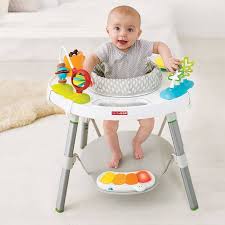
Activity centers and play yards offer a safe and contained space for babies to explore. Activity centers often have built-in toys, lights, and sounds that babies can interact with while being supported. They allow babies to stand and rotate, giving them a wider view of their surroundings and access to different play elements.
Play yards, on the other hand, are larger, more open spaces. They provide a secure environment for babies to move freely, roll, sit, and eventually crawl or stand. Many come with attached toys or allow parents to place their own favorite toys inside, creating a personalized play zone.
- Safe Exploration Space: Both activity centers and play yards provide a secure environment. This allows babies to practice their emerging motor skills without parents constantly worrying about them getting into trouble.
- Stimulating Play Elements: Activity centers are designed with interactive toys, music, and lights to keep babies engaged and stimulated. This supports sensory and cognitive development.
- Encourages Independent Play: These spaces allow babies to explore and play on their own terms. This fosters independence and self-confidence as they learn to entertain themselves.
Textured And Soft Toys
Textured and soft toys are perfect for a six-month-old baby’s developing sense of touch. These toys come in a variety of materials and surfaces. Think plush fabrics, bumpy rubber, crinkly plastic, and smooth wood.
They offer a rich sensory experience that helps babies learn about the world around them.
These toys are also generally safe for babies to mouth. Their softness makes them comfortable to hold and hug. The varied textures can also be soothing.
They encourage babies to explore with their hands and mouth, providing valuable sensory input that aids in brain development.
- Tactile Exploration: The different textures provide important sensory input. Babies learn to differentiate between smooth, rough, soft, and bumpy surfaces, which is a key part of sensory development.
- Comfort and Security: Soft toys offer comfort and security to babies. Holding a plush toy can be calming and help them feel safe, especially when they are feeling a bit overwhelmed.
- Oral Motor Development: For babies who are teething, textured toys can provide relief. Chewing on safe, textured materials also helps develop oral motor skills necessary for eating and speech.
Example: Crinkle Cloth Book
A crinkle cloth book is a great example of a textured toy. It’s made of soft fabric, safe for babies to chew on. When a baby crinkles the pages, it makes a soft, interesting sound.
This engages both their sense of touch and hearing.
The book often has bright pictures and different fabric textures on each page. This multi-sensory approach makes it highly engaging for a six-month-old. They can explore it with their hands, mouth, and eyes, learning about cause and effect (crinkling makes noise) and developing their sensory perception.
Common Myths Debunked
Myth 1: Expensive toys are always better for baby development.
Reality: While some high-quality toys can be an investment, many simple, inexpensive items are incredibly beneficial for baby development. A wooden spoon, a set of sturdy plastic containers, or even just colorful fabric scraps can provide just as much sensory and cognitive stimulation as a pricey electronic gadget. The key is not the cost, but how the toy encourages interaction, exploration, and learning.
Often, simpler toys allow for more open-ended play.
Myth 2: Babies only need toys; they don’t need adult interaction.
Reality: Toys are important tools for learning, but they are not a substitute for interaction with caregivers. Babies learn best through responsive play with a loving adult. The back-and-forth of playing, talking, and sharing experiences is what truly fuels a baby’s development and builds crucial social and emotional skills.
Toys are facilitators, not replacements, for human connection.
Myth 3: Babies outgrow toys very quickly, so there’s no need to invest in good ones.
Reality: While babies do go through developmental stages rapidly, certain types of toys are versatile and can be enjoyed for a significant period. Toys that encourage open-ended play, like blocks, stacking cups, and shape sorters, can adapt to a child’s growing abilities. Investing in durable, age-appropriate toys means they can be used and enjoyed for longer, offering ongoing developmental benefits.
Myth 4: All toys marketed for “baby development” are truly beneficial.
Reality: The term “developmental toy” can be a marketing tactic. It’s important to look beyond the label and consider how a toy truly encourages active play, problem-solving, and sensory exploration. Some complex electronic toys might offer limited educational value compared to simpler, more tactile toys that allow for a child’s own creativity and discovery.
Always assess the toy’s potential for genuine engagement and learning.
Frequently Asked Questions
Question: What are the best toys for a six-month-old baby to develop fine motor skills?
Answer: Look for toys that encourage grasping and manipulation. This includes stacking rings, soft balls that are easy to hold, activity cubes with buttons and beads to manipulate, and simple shape sorters. These toys help babies practice picking up, holding, and transferring objects.
Question: How can I ensure the baby toys I choose are safe for my six-month-old?
Answer: Always check that toys are made from non-toxic materials like BPA-free plastic or natural wood. Ensure there are no small parts that could detach and become a choking hazard. Follow age recommendations and inspect toys regularly for damage.
Look for safety certifications from reputable organizations.
Question: Are electronic toys good for babies at this age?
Answer: While some electronic toys can be engaging, simpler, non-electronic toys often offer more opportunities for open-ended play and genuine skill development. Focus on toys that encourage hands-on exploration, sensory input, and problem-solving rather than passive entertainment.
Question: What kind of toys help with a baby’s sensory development?
Answer: Toys with different textures, sounds, and colors are excellent for sensory development. Think crinkle books, textured balls, soft rattles that produce gentle sounds, and plush toys with varied fabrics. These engage a baby’s senses of touch, sight, and hearing.
Question: How much should I spend on baby toys for a six-month-old?
Answer: You don’t need to spend a lot. Many simple, classic toys are highly effective and affordable. Focus on quality, safety, and developmental appropriateness rather than price.
Often, basic items like stacking cups or textured balls provide excellent value and learning opportunities.
Conclusion
Finding the right baby toys 6 months and up supports your child’s incredible growth. Focus on toys that encourage reaching, grasping, and exploring textures. Prioritize safety in all your choices.
Simple, interactive play is key for bonding and learning. You’ve got this, and your baby will love discovering new things with you.
Related Post
Best Baby Toys Canada Choices
Looking for the right baby toys canada can feel like a puzzle, especially when you’re…