Choosing the Best 8 Month Old Baby Toys
Toys For All Ages >> Toys>> Choosing the Best 8 Month Old Baby Toys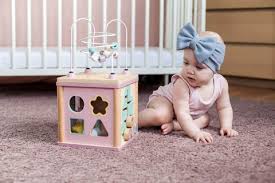
Choosing the Best 8 Month Old Baby Toys
Finding the right toys for your little one can feel like a puzzle. Especially when you’re looking for 8 month old baby toys, it’s easy to get lost in all the options. What’s safe?
What will actually help them learn and grow? Many parents feel this way, and it’s completely normal! But don’t worry, this guide is here to make it simple.
We’ll walk through everything you need to know to pick out the perfect playthings that your baby will love and that will help them learn new skills. Get ready to discover fun and safe toy ideas that are just right for this exciting stage.
Key Takeaways
- Identify toys that encourage motor skill development for 8 month olds.
- Understand how sensory toys benefit a baby’s growing mind.
- Learn about safe materials and design features to look for.
- Discover toys that promote early problem-solving skills.
- Find ideas for toys that support language and social interaction.
- Know how to choose toys that adapt to a baby’s changing abilities.
Exploring Developmental Toys For 8 Month Olds
At eight months old, babies are entering a wonderfully active phase of discovery. They are usually sitting up independently, starting to crawl, and showing a keen interest in exploring their world through touch, taste, and sight. This is a prime time for toys that can help them develop key skills.
Choosing toys that support their burgeoning physical and cognitive abilities is important. Good toys at this age can make a big difference in how quickly they learn and grow. We will look at different types of toys that are great for this age.
Gross Motor Skill Boosters
Gross motor skills involve the large muscles used for moving. For an 8-month-old, this means getting better at sitting, pushing up, and starting to move around. Toys that encourage these actions are fantastic.
Think about things that help them practice their balance and coordination.
- Activity Centers: These often have different stations with things to push, pull, and spin. They encourage babies to stand (with support) and reach. Many activity centers have colorful buttons and interactive elements that also engage their fine motor skills and cause-and-effect learning.
- Push Toys (for when they start cruising): While some babies might be ready for push toys that help them walk later, simpler push-and-roll toys are great now. These help them practice coordination as they crawl after them or push them along while supported.
- Soft Blocks: Large, soft blocks are perfect for stacking and knocking down. This simple act helps with hand-eye coordination and understanding gravity.
Activity centers are designed to keep babies engaged for longer periods. They usually offer a variety of textures and sounds, providing a rich sensory experience. Some have music that plays when a button is pressed, teaching the baby about cause and effect.
The variety of activities helps prevent boredom and ensures that different muscle groups are being used and strengthened. Look for sturdy ones that offer good support if your baby is not yet standing independently.
A simple push toy, like a ball with a handle or a wobbly car, can be a great motivator for crawling. As babies gain confidence in their movement, they enjoy chasing toys that move away from them. This type of play helps them develop spatial awareness and understand concepts like speed and direction.
It also encourages persistence and problem-solving as they figure out how to maneuver their bodies to reach their target.
Soft blocks are ideal because they are lightweight and safe if they fall. Babies can practice grasping, transferring the blocks from one hand to another, and learning to balance them. The act of stacking and then delighting in knocking them down is a classic developmental play pattern.
It teaches cause and effect: “I stacked them, and they fell.” This interaction also helps build fine motor control as they learn to manipulate the blocks precisely.
Fine Motor Skill Development
Fine motor skills involve the small muscles in the hands and fingers. At eight months, babies are developing their pincer grasp – using their thumb and forefinger to pick up small objects. Toys that refine this skill are very beneficial.
- Stacking Rings or Cups: These classic toys help with hand-eye coordination and understanding size relationships.
- Shape Sorters (simple ones): Start with basic shapes like circles and squares. These help with problem-solving and hand-eye coordination.
- Board Books with Textures or Lift-the-Flaps: These engage their sense of touch and encourage manipulation of pages.
Stacking rings or cups are excellent for developing dexterity. Babies learn to pick up individual rings or cups and place them onto a post or into each other. This requires precision and control, honing their pincer grasp and finger strength.
The act of nesting cups also introduces early concepts of size and order. When they successfully stack them or nest them, it provides a rewarding sense of accomplishment.
Simple shape sorters, featuring just a few easy-to-identify shapes, are perfect for this age. Babies will try to fit the shape into the corresponding hole, which involves trial and error. This process encourages problem-solving skills and teaches them about different geometric forms.
It also refines their ability to orient an object correctly to make it fit, a key fine motor challenge.
Board books are durable for little hands. Books with different textures on the pages allow babies to explore various tactile sensations. Lift-the-flap books encourage them to use their fingers to explore what’s hidden, further developing their pincer grasp and curiosity.
The act of turning a page, even if it’s just a thick board page, is a valuable fine motor exercise.
Sensory Exploration Toys
Sensory toys are crucial for a baby’s developing brain. They help babies learn about the world through their senses: sight, sound, touch, and even smell. At eight months, babies are particularly sensitive to new stimuli and are eager to explore.
Visual and Auditory Stimulation
Toys that offer bright colors, contrasting patterns, and interesting sounds are engaging for babies at this age. These can capture their attention and encourage them to interact with their environment.
- Rattles and Shakers: These provide auditory feedback and help babies understand cause and effect.
- Soft Balls with Different Textures: These are safe for grasping and exploring visually and tactilely.
- Mirrors (baby-safe): Babies are fascinated by their own reflection, which aids in self-recognition.
Simple rattles and shakers are wonderful for introducing babies to sound. When they shake them, they hear a noise, which teaches them that their actions have consequences. This is a fundamental learning concept.
Different types of rattles can offer varied sounds, from gentle bells to more pronounced rustles, providing diverse auditory experiences that can stimulate their developing hearing and interest in sound.
Balls are versatile toys. Soft balls made with different materials, like bumpy, smooth, or crinkly surfaces, offer a rich tactile experience. They are also easy for babies to grasp and mouth safely.
The visual appeal of different colors and patterns on these balls can also help with visual tracking and recognition as they learn to follow moving objects.
Baby-safe mirrors, often made of polished, shatterproof plastic, are captivating for infants. They love looking at their own face and exploring the features of this “other baby.” This interaction helps them begin to understand that they are a separate individual. It also encourages them to make facial expressions and interact with their own image, fostering early social and emotional development.
Tactile Exploration
The sense of touch is how babies learn about different surfaces and textures. Providing a variety of textures can help them process information and develop sensory awareness.
- Activity Mats with Textures: These often have different fabric types, crinkly sections, and attached toys.
- Sensory Balls: Balls with varied surfaces like spikes, ridges, or smooth indentations.
- Cloth Books with Different Materials: Similar to board books but often with softer, more varied textures.
Activity mats are designed to provide a multi-sensory experience. They typically feature various fabric textures, from soft plush to smooth satin, and often include elements that make crinkly or squeaky sounds when touched. Many also have hanging toys with different textures and shapes, encouraging reaching and grasping.
These mats provide a safe, controlled environment for babies to explore a wide range of sensory inputs.
Sensory balls are specifically designed to offer a range of tactile sensations. Some have soft spikes that are gentle on the skin, while others might have deep ridges or smooth, tactile patterns. Babies can explore these textures with their hands and feet, and even by mouthing them (ensure they are made of food-grade, safe materials).
This exploration helps develop their sensory processing abilities and can be very soothing.
Cloth books are wonderful for babies because they are soft, washable, and usually feature a variety of textures. Pages might be made of different fabrics like corduroy, silk, or terry cloth. Some may also include crinkly elements or small, securely attached teething toys.
These books are perfect for tummy time and encourage tactile exploration while also introducing simple stories or images.
Toys for Cognitive and Language Development
Cognitive development involves how babies think, learn, and solve problems. Language development is about how they begin to understand and use words. Toys that stimulate these areas help build a strong foundation for future learning.
Problem-Solving and Logic
At this age, babies are starting to understand cause and effect and simple sequences. Toys that involve manipulation and discovery are excellent for this.
- Cause-and-Effect Toys: Toys where pressing a button makes a sound or light, or pulling a lever causes movement.
- Simple Puzzles (knob puzzles): Puzzles with large knobs make it easier for babies to grasp and place pieces.
These toys are fundamental for teaching babies about the connection between their actions and the outcomes. A toy with a button that, when pressed, plays a cheerful melody or lights up is a perfect example. The baby learns, “If I push this, then that happens.” This understanding is the bedrock of problem-solving and scientific thinking.
Such toys encourage repetition and exploration as babies test their theories about how things work.
Knob puzzles, typically with 2-4 pieces featuring shapes or animals, are great for developing fine motor skills and spatial reasoning. The large knobs are easy for little hands to grip. Babies have to figure out how to orient the piece to fit the slot, and the act of lifting and placing the piece strengthens their hand-eye coordination.
Successfully completing a puzzle provides a significant confidence boost.
Early Language and Communication
Toys that encourage interaction and imitation can help babies with their language skills. Even before they speak, babies are absorbing language.
- Interactive Soft Toys: Stuffed animals that make sounds when squeezed or have different textures to explore.
- Picture Books (especially interactive ones): Books with bright images, simple words, and maybe some textures or flaps.
- Toy Phones: Simple toy phones can encourage imitation and pretend play.
Interactive soft toys can be a baby’s first “friends.” Squeezing a toy that makes a gentle sound or plays a short tune can be very engaging. Some plush toys might have crinkly ears or satin tags, providing tactile interest. These toys encourage vocalizations from the baby as they interact with them, and parents can use these toys to model simple words and sounds, fostering early communication.
As mentioned before, picture books are invaluable. At eight months, babies are more interested in the vibrant images and the sounds their caregivers make when reading. Pointing to pictures and naming objects (“Ball,” “Dog”) helps them associate words with visuals.
Lift-the-flap books add an element of surprise and discovery, making reading time more interactive and exciting, which can encourage them to pay attention and absorb language.
Toy phones are fantastic for encouraging imitation and early pretend play. Babies see adults using phones all the time, so a toy phone allows them to mimic this behavior. They can hold it to their ear, press buttons, and make babbling “talking” sounds.
This pretend play is crucial for cognitive development and helps them learn about social interaction and communication roles.
Safety First Choosing 8 Month Old Baby Toys
Safety is the absolute number one priority when selecting toys for babies. At eight months old, babies are exploring everything with their mouths. This means toys must be made from non-toxic materials and have no small parts that could be a choking hazard.
Material and Design Considerations
The materials toys are made from, and how they are designed, directly impact a baby’s safety. Understanding these factors helps you make informed choices.
- Non-Toxic Materials: Look for toys made from BPA-free plastic, natural wood, or organic cotton.
- No Small Parts: Ensure there are no detachable small pieces that a baby could swallow.
- Durable Construction: Toys should be well-made and able to withstand a baby’s rough handling without breaking.
- Rounded Edges: Avoid toys with sharp corners or edges that could scratch or injure your baby.
BPA (Bisphenol A) is a chemical found in some plastics that can be harmful. Babies often put toys in their mouths, so it’s vital to choose toys made from materials free of such chemicals. Natural wood toys, when finished with non-toxic paints or natural oils, are also a great choice.
Organic cotton is another safe option for soft toys, ensuring no pesticides or harsh chemicals are involved. Always check product labels for safety certifications.
Choking is a serious risk for babies. Toys should not have any parts that can break off and fit through a small hole (like a toilet paper tube). This includes button eyes on stuffed animals, small wheels on toy cars, or any loose decorative pieces.
Regularly inspect toys for any signs of wear and tear that might create small hazards.
Babies are not always gentle with their toys. They might drop them, bang them, or try to chew on them vigorously. Toys that are poorly constructed can break easily, potentially creating sharp edges or small, hazardous pieces.
Investing in well-made, durable toys means they will last longer and remain safe throughout your baby’s development.
When babies are exploring with their whole bodies, including their mouths and faces, any sharp edges on toys pose a risk. Rounded edges ensure that even if they fall on a toy or bump into it, they are less likely to get hurt. This applies to both hard plastic toys and wooden toys.
Always feel a toy yourself to check for any potentially sharp or rough areas.
Age Appropriateness
Even within the 8-month-old range, babies develop at different paces. Choosing toys labeled for 6-12 months or similar broad ranges can be a good starting point, but always observe your baby’s abilities.
- Toys that grow with the baby: Some toys can be used in simpler ways now and in more complex ways as the baby gets older.
- Observe your baby’s current stage: Are they sitting confidently? Are they starting to pull up? Are they grasping with their pincer?
Versatile toys offer better value and continue to engage your child as they grow. For instance, a stacking toy might be used for simply putting rings on a post at 8 months, but by 12-18 months, a child might be able to stack them in size order. Look for toys that have multiple functions or can be adapted as your baby’s skills advance.
This promotes continued learning and engagement.
While age recommendations are helpful, your individual baby’s development is the best guide. If your baby is advanced in a certain area, you might introduce slightly more complex toys, always ensuring safety. Conversely, if they are still mastering a skill, simpler toys that build confidence are best.
Pay attention to what captures their interest and what challenges them in a positive way.
Popular and Recommended 8 Month Old Baby Toys
Based on developmental needs and safety, certain types of toys consistently rank high for babies around eight months. These are toys that offer a good mix of stimulation, safety, and developmental benefits.
Top Toy Categories
Here are some categories of toys that are highly recommended for this age group:
- Activity Gyms and Playmats: These offer a variety of sensory and motor activities in one place. Many have arches with hanging toys for batting and reaching, stimulating tummy time, and often a mirror for self-discovery. They are designed to grow with the baby, offering different features as the baby progresses from lying down to sitting up and interacting more. The variety keeps babies engaged and encourages exploration of different textures, sounds, and visual elements.
- Stacking Cups and Rings: These are excellent for hand-eye coordination, fine motor skills, and learning about size and order. Babies can stack them, nest them, and even use them for simple pouring or filling play as they get a little older. The bright colors and different sizes make them visually appealing and help with early cognitive development by introducing concepts of comparison and sequencing.
- Soft Blocks: Large, soft blocks are perfect for early building and stacking, promoting gross and fine motor skills. They are safe for mouthing and for knocking over. As babies develop, they can move from simply knocking them down to attempting to stack them. These blocks also introduce basic shapes and colors, aiding in visual recognition and early understanding of spatial relationships.
- Musical Toys (simple ones): Rattles, shakers, and simple keyboards that produce gentle sounds can capture a baby’s attention and teach cause-and-effect. They help develop auditory skills and an interest in rhythm and sound. Look for toys that aren’t overly loud or have a wide range of complex sounds, as simplicity is often best for this age to avoid overstimulation.
- Board Books and Cloth Books: Engaging books with bright pictures, textures, and lift-the-flaps encourage early literacy, language development, and fine motor skills. They are also great for bonding time between parent and child, fostering a love for reading from an early age. The durability of board books makes them ideal for babies who explore with their mouths.
Examples of Great Toys
Consider these specific types of toys:
- Fisher-Price Rock-a-Stack: A classic for a reason. This toy has five colorful rings to stack on a wobbly base. It helps with hand-eye coordination and introduces concepts of size. The rings are easy for babies to grasp, and the simple action of stacking is very satisfying.
- Lamaze Soft Toys: Lamaze offers a range of soft, sensory-rich toys with crinkly fabrics, squeakers, and different textures. Their toys are often designed to stimulate multiple senses and encourage interaction. For example, the Lamaze Peek-A-Boo Forest book has flaps to lift and different textures to feel.
- Baby Einstein Take Along Tunes: This musical toy plays classical melodies and lights up, encouraging babies to press the large button to hear the music. It’s a great cause-and-effect toy that also introduces babies to music in a gentle way. The simple design makes it easy for babies to hold and operate.
- Melissa & Doug Wooden Shape Puzzles: Start with their simpler, 2-3 piece puzzles featuring basic shapes or animals. The large knobs make them easy for little hands to grasp and manipulate, helping with fine motor skills and spatial reasoning. The satisfaction of placing a piece correctly is a great motivator.
How Toys Support a Baby’s Rapid Growth
At eight months, babies are in a period of incredibly rapid development. Toys are not just for fun; they are powerful tools that support this growth in many ways. The right toys can help them learn new skills faster and build a strong foundation for their future development.
Physical Development
Toys play a direct role in enhancing a baby’s physical abilities. As babies gain more control over their bodies, they need opportunities to practice and refine these new movements.
- Encouraging Movement: Toys placed just out of reach can encourage crawling or scooting.
- Hand-Eye Coordination: Activities like stacking or putting objects into containers refine this crucial skill.
When a favorite toy is slightly out of reach, a baby will naturally be motivated to move towards it. This encourages crawling, scooting, or even early attempts at pulling themselves up to a standing position. This active exploration is vital for strengthening muscles, developing coordination, and building confidence in their physical capabilities.
The reward of reaching the toy makes the effort worthwhile.
The ability to use both eyes and hands together is fundamental for many daily tasks. Stacking rings, placing blocks, or fitting shapes into a sorter all require the baby to visually guide their hands. This consistent practice improves their fine motor control and their spatial awareness, preparing them for more complex tasks later on.
Cognitive and Sensory Development
Beyond physical skills, toys are essential for stimulating a baby’s mind and their senses. This helps them understand the world around them.
- Sensory Input: A variety of textures, sounds, and colors stimulate the brain.
- Problem-Solving: Simple puzzles and cause-and-effect toys teach babies to think and experiment.
Every new sensation a baby experiences helps build new connections in their brain. Different textures teach them about the physical properties of objects. Sounds help them learn about cause and effect and develop their auditory processing.
Bright, contrasting colors can capture their attention and aid in visual development. Toys that offer a range of sensory experiences are key to holistic development.
When a baby figures out how to fit a shape into a sorter or how to make a toy light up by pressing a button, they are learning to problem-solve. These early successes build their confidence and encourage them to tackle more complex challenges. This trial-and-error process is a fundamental part of cognitive growth.
Social and Emotional Growth
Even as infants, babies learn about emotions and social interaction through play. Toys can facilitate these early social connections.
- Interaction and Imitation: Engaging with toys and caregivers builds social skills.
- Self-Awareness: Mirrors help babies recognize themselves.
When a parent plays with a baby using a toy, it’s an opportunity for social interaction. The baby learns to take turns (even if it’s just handing a toy back), respond to gestures, and imitate sounds and actions. Interacting with soft toys can also encourage babbling and vocalizations, as the baby “talks” to their toy, fostering early communication and emotional expression.
Seeing their own reflection is a fascinating experience for babies. It’s one of the first steps in developing self-awareness and understanding that they are an individual. This can lead to more confident interaction with their environment and a stronger sense of self.
Common Myths Debunked
Myth 1: More expensive toys are always better for development.
The reality is that simple, inexpensive toys can be just as beneficial, if not more so, than costly ones. A wooden spoon and a pot can provide as much fun and learning as a complex electronic toy. What matters most is how the toy engages the baby’s senses and encourages exploration and interaction, not its price tag.
Focus on the developmental benefits and safety, rather than brand name or cost.
Myth 2: Babies only need a few basic toys.
While babies don’t need a room full of toys, variety is important for stimulating different areas of development. Offering a range of toys that focus on gross motor skills, fine motor skills, sensory exploration, and cognitive challenges ensures well-rounded growth. Rotating toys can also keep them fresh and exciting for the baby.
Myth 3: Electronic toys are superior for learning.
While some electronic toys can be engaging, they often do the “thinking” for the baby, limiting their own problem-solving and imaginative play. Open-ended toys that require active manipulation and creativity often provide more profound and lasting developmental benefits. Simple toys encourage more exploration and self-directed learning.
Myth 4: Toys should always have a specific learning purpose.
Play is learning for babies. While it’s great to choose toys that support specific skills, pure fun and free exploration are also incredibly important. Sometimes, the best learning happens when a baby is simply engaged in imaginative or sensory play without a predetermined educational outcome.
The joy of discovery itself is a powerful learning experience.
Frequently Asked Questions
Question: What are the safest materials for 8 month old baby toys?
Answer: The safest materials include BPA-free plastics, untreated or naturally finished wood, and organic cotton. Always check labels for safety certifications and avoid materials with known harmful chemicals.
Question: Should I worry about choking hazards with 8 month old toys?
Answer: Yes, choking hazards are a major concern. Ensure toys do not have small, detachable parts. Anything that can fit through a toilet paper tube is considered a potential choking hazard.
Question: How often should I clean my baby’s toys?
Answer: It’s recommended to clean toys regularly, especially those that go in the baby’s mouth. Wash soft toys according to their care instructions, and wipe down hard toys with a mild soap and water or a disinfectant suitable for baby items.
Question: Are rattles safe for 8 month olds?
Answer: Yes, simple rattles are generally safe and beneficial for 8 month olds. They help with auditory development and understanding cause and effect. Ensure the rattle is well-made and has no small parts that could break off.
Question: What is the best type of toy for tummy time?
Answer: Activity mats with various textures, colorful toys, and mirrors are excellent for tummy time. They provide visual and tactile stimulation to keep babies engaged and encourage them to lift their heads and strengthen their neck and shoulder muscles.
Summary
Choosing 8 month old baby toys involves looking for items that support their motor skills, sensory exploration, and cognitive development. Prioritize safety with non-toxic materials and no small parts. Simple, open-ended toys offer great value.
The right toys make learning fun and help your baby reach new milestones with confidence.
Related Post
Best Baby Toys Canada Choices
Looking for the right baby toys canada can feel like a puzzle, especially when you’re…