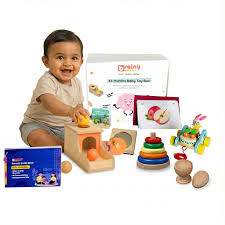
Best Baby Toys Canada Choices
Toys For All Ages >> Toys>> Best Baby Toys Canada Choices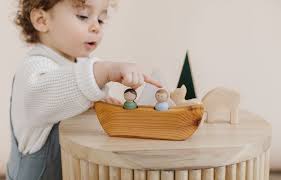
Best Baby Toys Canada Choices
Looking for the right baby toys canada can feel like a puzzle, especially when you’re new to it. There are so many options, and it’s hard to know where to start. But don’t worry, we’re here to make it super simple.
We’ll guide you step by step, so you can find perfect toys for your little one without any stress. Let’s get started finding some fun!
Key Takeaways
- Understand why choosing baby toys in Canada has unique aspects.
- Learn about safe and age-appropriate toy selection.
- Discover different types of toys that support early development.
- Find tips for budget-friendly baby toy shopping.
- Get advice on where to buy baby toys in Canada.
Finding Great Baby Toys in Canada
When searching for baby toys canada, it’s helpful to know what makes certain toys stand out. Safety is always the top priority. This means checking for small parts that could be a choking hazard, non-toxic materials, and sturdy construction.
Toys should also be designed to grow with your baby, offering different ways to play as they develop. Think about toys that encourage exploration, sensory development, and motor skills. We will explore these aspects in detail.
Safety First When Choosing Toys
Safety standards for baby toys are very important. In Canada, products must meet strict regulations to ensure they are safe for young children. This includes looking for toys that are free from harmful chemicals and have no small, detachable parts that a baby could swallow.
The Canadian government has specific guidelines that manufacturers and importers must follow. Always check labels for age recommendations and safety certifications. This helps parents make informed decisions.
For example, many toys intended for infants have a “choke hazard” warning if they contain small parts. This is because babies often put things in their mouths, and these parts can block their airways. Reputable brands will clearly display this information.
They also ensure their products are made from durable materials that won’t break easily into sharp pieces.
Materials and Construction
The materials used in baby toys are crucial. Plastics should be BPA-free, and paints should be non-toxic and lead-free. Natural materials like untreated wood are also excellent choices for many baby toys.
The construction of the toy should be solid. This means no loose seams, sharp edges, or easily broken components. Toys that are well-made will last longer and provide a safer play experience.
Consider a wooden rattle. If it’s made from a single piece of smooth, finished wood with no cracks or splinters, and the paint is child-safe, it’s a good option. Conversely, a plastic toy with thin plastic parts that bend or snap easily might not be the best choice.
Parents should inspect toys regularly for any signs of wear and tear that could make them unsafe.
Age-Appropriate Play
Choosing toys that match your baby’s age and developmental stage is key. A toy that’s too advanced might frustrate them, while one that’s too simple won’t offer enough stimulation. Manufacturers usually provide age guidelines on toy packaging.
These are helpful starting points.
For a newborn, soft, crinkly toys with high contrast patterns are great for visual stimulation. As they get a bit older, around 3-6 months, they might enjoy rattles, soft balls, or activity gyms. By 9-12 months, they’ll be ready for stacking cups, shape sorters, or push-and-pull toys.
This progression ensures the toys continue to be engaging and beneficial.
Developmental Benefits of Baby Toys
Baby toys are more than just entertainment; they are tools for learning and growth. Each type of toy can help your baby develop different skills. From fine motor control to cognitive abilities, the right toys play a vital role.
Sensory Exploration
Sensory toys are fantastic for babies. They help babies learn about the world through their senses of sight, sound, touch, and even smell. Toys with different textures, bright colors, and gentle sounds can engage a baby’s developing senses.
This exposure is essential for brain development in the early months.
Think about a soft fabric book with crinkly pages and different textures to feel. The crinkling sound stimulates hearing, the varied textures engage touch, and the bright, contrasting images capture their attention visually. These simple elements provide a rich sensory experience that helps babies understand their environment.
- Visual Stimulation: Toys with bold, contrasting colors and patterns help develop a baby’s eyesight. Early on, babies see best in black and white, then gradually develop color vision. Toys that offer this progression are excellent.
- Auditory Development: Rattles, musical toys, or toys that make gentle sounds help babies learn about cause and effect. Shaking a rattle makes a sound, teaching them that their actions have results.
- Tactile Exploration: Toys with different textures—smooth, bumpy, soft, hard—allow babies to explore through touch. This helps them understand physical properties of objects.
Motor Skills Development
Toys are wonderful for helping babies develop both gross and fine motor skills. Gross motor skills involve large muscle movements like crawling and sitting up, while fine motor skills involve smaller movements, such as grasping and stacking.
A play mat with hanging toys encourages babies to reach, stretch, and bat at them, which builds arm and hand strength for gross motor skills. Later, stacking rings or chunky blocks help them develop the pincer grasp and hand-eye coordination needed for fine motor skills.
- Gross Motor Skills: Toys that encourage movement like play gyms, soft balls for rolling, or push-and-pull toys help babies develop strength and coordination for crawling, walking, and balancing.
- Fine Motor Skills: Toys such as stacking cups, shape sorters, large beads for threading (supervised), or soft puzzles help babies refine their hand-eye coordination and develop dexterity for grasping and manipulating objects.
Cognitive Skills and Problem Solving
Even very young babies are learning to think and solve problems. Toys that introduce basic concepts like cause and effect, object permanence, and spatial reasoning can support this cognitive growth.
A simple pop-up toy where a character appears when a button is pushed teaches cause and effect. A ball rolling under a couch and then appearing on the other side helps a baby understand that objects still exist even when they can’t see them (object permanence). These early learning experiences are foundational for more complex thinking later on.
- Cause and Effect: Toys that respond to a baby’s actions, like a button that makes a sound or a mobile that spins when touched, teach babies that their actions have consequences.
- Object Permanence: Peek-a-boo toys or toys where parts can be hidden and then revealed help babies learn that objects continue to exist even when out of sight.
- Problem Solving: Shape sorters and simple puzzles require babies to figure out how pieces fit together, promoting early problem-solving skills and spatial awareness.
Popular Categories of Baby Toys in Canada
When you’re looking for baby toys canada, you’ll find many categories designed for different stages and interests. Understanding these can help you choose wisely.
Soft Toys and Plush Animals
Soft toys are often a baby’s first companions. They are cuddly, comforting, and safe for little hands to explore. Many also have features that appeal to a baby’s senses, like crinkly material or gentle squeakers.
For a newborn, a simple, soft plush toy without small plastic eyes or noses is ideal. As they grow, they might enjoy more interactive plush toys. Brands often make these with different textures and sounds to keep babies engaged.
These toys can also help with emotional development by providing comfort.
- Comfort and Security: Plush toys can provide a sense of security and comfort for babies, acting as a soft friend to snuggle with.
- Sensory Play: Many soft toys incorporate different fabrics, textures, and sometimes gentle sounds, offering rich tactile and auditory experiences.
- Imaginative Play: Even at a young age, soft toys can be part of early imaginative play, encouraging nurturing behavior.
Rattles and Grasping Toys
Rattles are classic baby toys for a reason. They are designed to be easy for tiny hands to hold and shake, producing satisfying sounds that delight babies. They are excellent for developing grasp reflex and hand-eye coordination.
When choosing rattles, look for ones made from safe materials. Wooden rattles, BPA-free plastic rattles, or fabric rattles are all good options. The sound should be pleasant, not too loud or jarring.
Some rattles also have different textures or rings to chew on, making them versatile for teething babies.
- Grasping Practice: The design of rattles encourages babies to open and close their hands, strengthening their grip.
- Cause and Effect Learning: Shaking a rattle produces a sound, teaching babies about the direct link between their actions and the resulting sensory feedback.
- Teething Relief: Many rattles are designed with safe, chewable surfaces, providing soothing relief for sore gums during the teething phase.
Activity Gyms and Play Mats
Activity gyms and play mats are fantastic for tummy time and general exploration. They typically feature a soft mat with overhead arches from which various toys hang. These toys can be rattles, mirrors, fabric textures, and more.
These setups encourage babies to reach, kick, and explore their surroundings. The mirrors allow them to see their own reflection, which is fascinating for them. The different hanging toys provide visual and tactile stimulation.
Many mats are also machine washable, making cleanup easy.
One popular activity gym has a large, soft mat with a jungle theme. It includes several hanging toys like a plush elephant with crinkly ears, a mirror for self-discovery, and a textured leaf. The arches are sturdy and positioned so a baby can easily reach the toys.
- Tummy Time Support: Play mats create a safe and engaging space for babies to spend time on their stomachs, which is crucial for developing neck and core strength.
- Multi-Sensory Engagement: The combination of textures, sounds, colors, and interactive elements within an activity gym provides comprehensive sensory stimulation.
- Encourages Movement: Babies are motivated to reach, kick, and pivot on the mat to interact with the hanging toys, promoting gross motor development.
Stacking Toys and Rings
Stacking toys, like rings or cups, are brilliant for developing fine motor skills and teaching concepts like size and order. Babies learn to place objects on top of each other, which requires concentration and dexterity.
A classic set of stacking rings usually comes with a base and rings of different sizes and colors. Babies might start by just knocking them over, but they will eventually learn to stack them. This process helps them understand visual-spatial relationships and problem-solving.
Consider a set of brightly colored stacking cups. A baby might first simply enjoy banging them together or fitting one inside another. As they grow, they will learn to stack them in order from largest to smallest to build a tower.
This skill is a precursor to more complex building and assembly tasks.
- Hand-Eye Coordination: Successfully placing a ring on a post or stacking a cup requires precise hand-eye coordination, a fundamental skill.
- Size and Order Concepts: Stacking toys often introduce the idea of relative size, with babies learning to place smaller items on larger ones.
- Fine Motor Skill Refinement: The precise movements needed to align and stack objects help refine a baby’s pincer grasp and finger dexterity.
Shape Sorters
Shape sorters are excellent for cognitive development. They challenge babies to recognize different shapes and figure out how to fit them into the corresponding holes in a container. This process teaches shape recognition and problem-solving.
A typical shape sorter might include basic shapes like a circle, square, and triangle, each with a matching hole on a box or dome. Babies will experiment, trying to force shapes, until they discover the correct fit. This trial-and-error learning is very effective.
For instance, a toddler might try to put a square peg into a round hole repeatedly. Through observation and experimentation, they learn that only the square peg fits the square hole. This helps them develop critical thinking and spatial reasoning skills.
- Shape Recognition: Babies learn to identify and differentiate between basic geometric shapes as they play with the sorter.
- Problem-Solving Skills: Finding the correct hole for each shape encourages logical thinking and experimentation.
- Spatial Reasoning: Understanding how shapes fit into specific openings helps develop a baby’s awareness of spatial relationships.
Where to Buy Baby Toys in Canada
Finding a good place to buy baby toys canada involves looking at both online and physical stores. Many retailers offer a wide selection, catering to different budgets and preferences.
Major Retailers
Large department stores and big-box retailers are often the first stop for parents. They carry a broad range of baby toys from well-known brands. You can often find competitive pricing and sales events.
Examples include Walmart, Canadian Tire, and Zellers (though less common now, some may still exist or have online presence). These stores are convenient for one-stop shopping. They also typically adhere to Canadian safety standards for the toys they sell.
- Convenience and Selection: These stores offer a wide variety of toys under one roof, making shopping efficient.
- Competitive Pricing: Big retailers often have frequent sales and promotions, allowing parents to save money on toys.
- Accessibility: With numerous locations across Canada, these stores are easily accessible to most consumers.
Specialty Baby Stores
Dedicated baby stores often carry a more curated selection of higher-quality or unique baby products. They might also have staff who are knowledgeable about child development and can offer personalized recommendations.
These stores might focus on eco-friendly, educational, or designer baby toys. While prices can sometimes be higher, the quality and expertise can be well worth it for parents seeking specific types of products.
For example, a specialty store might stock wooden toys from European brands known for their craftsmanship and safety. They may also have a good selection of educational toys that are designed with specific learning milestones in mind.
- Curated Selection: These stores often hand-pick their inventory, focusing on quality, safety, and educational value.
- Expert Advice: Staff at specialty stores are typically well-informed about baby products and can provide tailored recommendations.
- Unique Finds: You are more likely to discover niche brands or specialized toys that you won’t find in larger retailers.
Online Retailers
Online shopping has become incredibly popular. Websites like Amazon Canada, Indigo, and specialized online toy stores offer vast selections and the convenience of home delivery. Many offer fast shipping across the country.
When shopping online, it’s important to read reviews carefully. Look for sellers that have good reputations and clearly state their return policies. Also, verify that the toys meet Canadian safety standards, especially when purchasing from third-party sellers.
Amazon Canada is a prime example, offering millions of products from countless brands. You can compare prices easily and read customer feedback before making a purchase. For many parents, this is the most efficient way to shop for baby essentials, including toys.
- Vast Selection: Online platforms provide access to an enormous range of toys, often exceeding what physical stores can stock.
- Price Comparison: It is easy to compare prices from different retailers to find the best deals.
- Convenience of Delivery: Toys are delivered directly to your doorstep, saving time and effort, which is invaluable for busy parents.
Budget-Friendly Toy Shopping in Canada
You don’t need to spend a fortune to get great toys for your baby. Smart shopping can help you find quality toys without breaking the bank.
Sales and Discounts
Keep an eye out for seasonal sales, holiday promotions, and clearance events at your favorite retailers. Many stores offer significant discounts during these times.
For example, Black Friday, Boxing Day, and other holiday sales can offer 30-50% off or more on selected baby items, including toys. Signing up for store newsletters can also alert you to exclusive discounts.
- Timing Purchases: Buying during major sales events can lead to substantial savings on toys you planned to purchase anyway.
- Coupon Codes: Many online retailers offer coupon codes for first-time buyers or for subscribers to their mailing lists.
- Clearance Sections: Always check the clearance or sale sections of stores, as you can often find perfectly good toys at heavily reduced prices.
Second-Hand and Hand-Me-Downs
Used toys, especially those from friends or family, can be an excellent way to save money. Ensure that any second-hand toys are thoroughly cleaned and checked for safety. Broken or worn-out parts should be discarded.
Local buy-and-sell groups on social media and consignment shops are also great places to find gently used baby toys. This is an eco-friendly way to get toys too.
A common scenario is a parent receiving a large box of nearly new baby toys from a friend whose child has outgrown them. These toys are often in excellent condition and can save the new parent hundreds of dollars.
- Cost Savings: Acquiring used toys can be significantly cheaper than buying new, often by 50% or more.
- Environmental Friendliness: Reusing toys reduces waste and the demand for new manufacturing.
- Quality Checks Necessary: Always inspect used toys for safety issues like missing parts, sharp edges, or damaged batteries.
A Quick Look at Baby Toy Safety Standards in Canada
In Canada, all toys sold must meet strict safety requirements set by Health Canada. These regulations are designed to prevent injuries. For example, the Toys Regulations under the Canada Consumer Product Safety Act outline specific requirements for things like small parts, sharp points, and the chemical content of materials.
Manufacturers must ensure their products comply with these standards. Retailers are also responsible for not selling non-compliant toys. Parents can look for labels that indicate compliance with Canadian safety standards.
This is an important part of choosing baby toys canada.
Statistics show that toy-related injuries have decreased significantly due to these regulations. For instance, a report from a few years ago indicated a notable drop in toy-related emergency room visits after stricter regulations were enforced on certain types of toys.
| Safety Aspect | Canadian Requirement Example | Why It Matters |
|---|---|---|
| Small Parts | Toys for children under 3 must not contain small parts that can be a choking hazard. | Prevents choking, a major risk for infants and toddlers. |
| Materials | Prohibits certain toxic substances, like lead and phthalates, in toys. | Protects children from exposure to harmful chemicals that can affect development. |
| Sharp Points and Edges | Toys must not have sharp points or edges that can cause cuts or punctures. | Prevents physical injuries from accidental contact. |
Common Myths Debunked
Myth 1: Expensive toys are always better for baby development.
Reality: While some high-end toys can be excellent, many simple and inexpensive toys offer just as many, if not more, developmental benefits. A wooden block, a soft cloth book, or even everyday household items (when made safe) can be fantastic learning tools. Focus on the toy’s ability to encourage interaction, sensory exploration, and skill-building rather than its price tag.
Myth 2: Babies need a lot of different toys.
Reality: Babies can become overstimulated by too many toys. It’s more beneficial to offer a few carefully chosen toys at a time and rotate them. This keeps toys fresh and exciting.
Simpler toys often encourage more imaginative and open-ended play than complex electronic toys.
Myth 3: All toys marketed for babies are safe.
Reality: While Canada has strict safety standards, it’s always wise for parents to do their own checks. Look for clear age recommendations, ensure there are no small, loose parts, and check for sturdy construction. Reading reviews and choosing reputable brands can also help ensure safety.
Myth 4: Electronic toys are the best for learning.
Reality: Electronic toys can be engaging but often offer a more passive learning experience. Toys that encourage hands-on interaction, problem-solving, and sensory exploration are generally more beneficial for a baby’s cognitive and motor development. Open-ended toys like blocks or puzzles promote critical thinking.
Frequently Asked Questions
Question: What are the most important safety features for baby toys in Canada?
Answer: Key safety features include no small parts that pose a choking hazard, non-toxic materials, no sharp edges or points, and sturdy construction. Always check for age appropriateness and look for compliance with Canadian safety standards.
Question: Where can I find good deals on baby toys in Canada?
Answer: Look for sales events like Black Friday or Boxing Day, check clearance sections, and consider buying gently used toys from friends, family, or consignment stores. Online retailers also often have discounts.
Question: What kind of toys are good for a 6-month-old baby?
Answer: For a 6-month-old, good toys include soft rattles, textured balls, stackable cups, crinkly books, and activity gyms. These encourage grasping, sensory exploration, and early motor skills.
Question: Should I worry about chemicals in baby toys?
Answer: Yes, it’s important to be aware. Canada has regulations against harmful chemicals like lead and phthalates in toys. Choose toys made from BPA-free plastics or natural materials from reputable brands.
Question: How often should I clean baby toys?
Answer: Soft toys and plush items can usually be machine washed according to their care labels. Other toys can be wiped down with a damp cloth and mild soap. It’s especially important to clean teething toys and anything else a baby puts in their mouth regularly.
Final Thoughts
Finding the best baby toys canada is about choosing safe, age-appropriate items that support your baby’s growth. Simple toys can be very effective for learning and fun. Focus on quality, safety, and developmental benefits.
With these tips, you can confidently select wonderful toys for your little one.
Related Post
Exciting Baby Shark Toys Unboxing Guide
Lots of parents look for baby shark toys unboxing videos. Sometimes finding the right toys…